Dr Claire O'Reilly
BSc Physiotherapy 2009
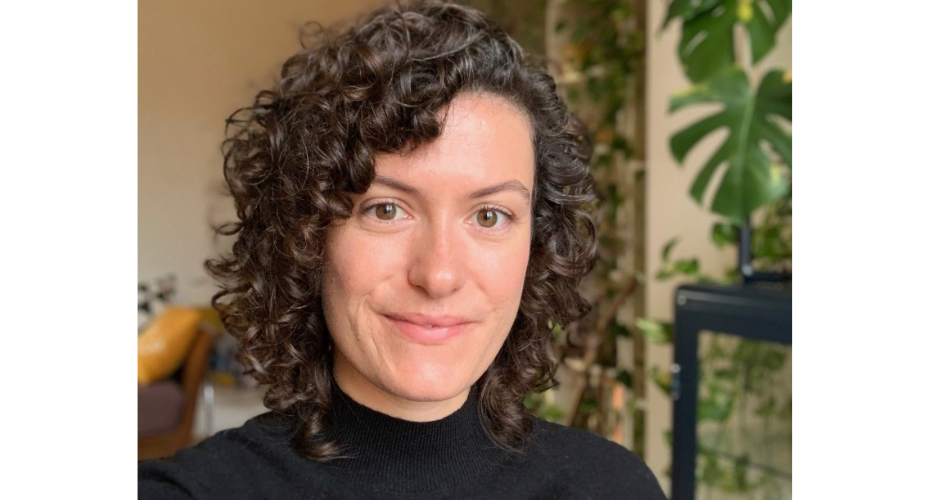
Claire graduated from UCD in 2009, with an honours degree in Physiotherapy. She also completed a Masters in International Public Health with the University of Liverpool, and a PhD in Disability Inclusion in Humanitarian Settings with Trinity College Dublin. She is currently working as a Rehabilitation Specialist with the World Health Organisation, in Gaza, oPt.
What led you to studying the BSc in Physiotherapy?
I decided to study physiotherapy because I was interested in a care-based or healthcare profession. I didn’t feel the ‘calling’ that people say leads them into medicine, and I also couldn’t picture myself in Nursing. I knew shift work wasn’t for me! I had a keen interest in sports, so physiotherapy seemed like a good combination of my interests. I never did end up professionally pitch side, and I also didn’t end up with very predictable working hours, but I’m delighted with the varied opportunities physio has enabled me to pursue.
What was your favourite part of the Physiotherapy course?
My favourite part was by far the clinical placements. By my final year, I thought I’d had enough of school and study for a while – a later PhD proved I was wrong about that! – but I loved getting to work with patients. I was able to learn in a hands-on way from some really creative and inspiring physiotherapists. When university got tough, it was definitely placements that kept me going and reassured me I had chosen a career path I could enjoy
What advice would you give to someone considering studying this course?
In terms of the physiotherapy part of it, I would say get as wide an exposure and grounding as you can in your clinical placements, and keep an open mind about which areas of the profession might appeal to you. And while you by no means need to be an extrovert to be an excellent physiotherapist, I do think you need to have an inherent love of meeting and interacting with people.
What was your experience at UCD like? Any highlights?
My experience at UCD was actually pretty tough at certain points. I’ve since learned that I had undiagnosed ADHD, and the lack of structure in the first year of college left me struggling to find my feet. At the time, I didn’t understand that to manage my ADHD I actually needed quite a lot of structure. Anyone considering studying physiotherapy knows they need to be excelling academically, which I was doing, while also playing lots of sports and having a part-time job. By juggling all of these things pre-UCD, I had unwittingly created a very structured calendar for myself. When I reached the freedom of college, the plates came crashing down, and it knocked my confidence.
By second year, I had found my tribe and was living in a huge shared house in Goatstown. I went from growing up with only brothers to living in a house with 14 other girls! Once clinical placements started to become a larger component of the academic year, it reminded me why I had chosen physiotherapy.
In my final year, I took on two overseas placements in South Africa, one in the paediatric hospital in Cape Town, and one in a very remote general hospital on the Eastern Cape. They ignited something in me and I returned home to Ireland to gain specialist training in paediatrics before moving into humanitarian practice.
What is your current job?
In my current role, I am deployed as a Rehabilitation Specialist to the World Health Organisation (WHO) in Gaza, oPt. I’ve worked in humanitarian crisis settings for over a decade now, but there is something unique about working in a crisis where people at home in Ireland feel such a connection to what is happening. We estimate there are almost 170,000 people injured in Gaza since the onset of the conflict, while only about one third of rehabilitation services are remaining. The rehabilitation needs are absolutely overwhelming, and there’s a huge amount of effort and funding needed to rebuild the health system to be able to meet people’s needs. I do feel extremely privileged to be able to bring my expertise to bear in a relevant way in Gaza.
The Humanitarian Sector must have appealed to you, as quite soon after your primary degree, you went on to do a Masters and a PhD - inspiring stuff! What drew you to this area?
Working in the humanitarian sector was always the ultimate target for me – I got into physiotherapy to help people, so for me it felt very natural to go to where people were most in need of help. At UCD, I thought that would be more in development settings on the African continent, but when the civil war in Syria started, everything changed for me. I was horrified by stories of health professionals being targeted, and I just felt I had to go there, both in solidarity and to provide services. I feel very strongly that healthcare should never be a target, and as healthcare professionals, we all have a role in upholding that norm. For some of us that means joining a protest, and for me it meant travelling to a field hospital on the Syrian border with Doctors of the World. I’ve more or less been in the humanitarian sector in rehabilitation or disability-related roles ever since.
Describe your typical workday.
For me there really is no typical workday, and that suits my ADHD brain down to the ground. You have to take the education and skills you gain at UCD and consider them alongside your own unique strengths and interests to understand where you can make a difference in the world. In my current role, a day might involve visiting a health facility to learn what supplies and supports are needed to get rehabilitation services back up and running, followed by predicting the number of wheelchairs that might be needed over the next 12 months, where we can procure those, and who will pay for them.
Today for example, I’m chasing down a bulldozer so that we can remove rubble that’s blocking the entrance to a rehab centre. Once that’s done, I’ll meet with staff to understand any training or support needs they might have, and link with colleagues to make sure we can refer physiotherapy patients for other health services they may need.
Sometimes the level of need and the amount of work to be done can be overwhelming, but it’s genuinely a pleasure to be able to dedicate myself every day to moving the needle in the right direction.
What’s the proudest moment of your career to date?
A few years ago, I was invited to be an expert contributor to WHO’s Rehabilitation Competency Framework, and in 2023 I was honoured with an International Award by World Physiotherapy. I couldn’t attend the ceremony because I was in Türkiye with WHO, responding to the earthquake! However, it’s always a particular honour to be recognized by your colleagues.
The truth of it though, is that the really proud moments that stay with you as a clinician are the wins with patients. In Syria, I helped a young man with a very complicated lower limb fracture – he was so terrified to move that he had lain in place for weeks and developed pressure sores across his body. He was in terrible pain. With a lot of reassurance, I showed him and his brother how he could turn over in the bed. Positioning is about the most basic physiotherapy intervention you can offer, but his sigh of relief was enough to motivate me through a number of very difficult days during that conflict.
In your career/personal life, who have been the most inspiring or helpful mentors/advisers that you’ve had?
I’ve been very fortunate in the mentors and role models I’ve had throughout my career so far. Dr Cliona O’Sullivan was one of my lecturers at UCD and she played a big role in demonstrating that physiotherapists could play an important part in global health. My primary PhD supervisor, Dr Caroline Jagoe, was also a big inspiration in how academia can be used to bring about good in the ‘real’ world.
Cliona is now at DCU and I worked with Caroline in TCD – we’re so lucky to have such a vibrant and interconnected academic community in Dublin, and I’m proud to have started at UCD.
What is life like outside work for you? Tell us a bit more about your current life, hobbies, or what you do to relax?
The truth of an acute humanitarian response like Gaza is that there isn’t very much of a life ‘outside’ of work. I read a voracious amount, and as we all cook together in the same guesthouse with limited supplies, creativity and cultural exchange usually fills the evening as we try to keep ourselves fed. When I’m not on mission, I still have the same fascination with movement and the human body that first drew me to physiotherapy. I’m a bit of a dilettante, picking up a new sport or challenge every few months. This summer I completed a 3.9km swim in Glendalough that was absolutely stunning. Moving in nature never fails to soothe me.
What’s the best piece of advice you’ve ever been given?
One of my favourite things about humanitarian work is how varied and diverse your group of colleagues tends to be. However, it takes a certain kind of person to want to repeatedly put themselves in austere and dangerous settings, so I would say the advice from colleagues in the field is to be taken with a pinch of salt! My father however always told me to go into every room with a smile on my face, and it’s never really steered me wrong.
Content added: November 2025