Wednesday, 28 January, 2026
Researcher: Professor Ellen Crushell, UCD School of Medicine and Children’s Health Ireland
Summary
Research led by University College Dublin and Children’s Health Ireland has directly influenced food safety policy and public health guidance in Ireland and the UK. The study identified a serious and previously under-recognised risk associated with slush ice drinks marketed to children, demonstrating that glycerol, widely used as a sugar substitute in “sugar-free” slushies, can cause acute and severe illness in young children.
The findings emerged at a critical policy moment following the introduction of sugar-sweetened beverage levies in Ireland and the UK. While these levies have been highly successful in reducing sugar consumption, the research highlighted an unintended consequence: the substitution of sugar with glycerol (E422), an authorised food additive, to maintain the slush effect in the absence of sugar. This study provided the first robust clinical and biochemical evidence that high doses of glycerol, as sometimes used in sugar-free slush ice drinks, are not safe for young children.
By identifying a clear mechanism of harm and defining glycerol intoxication syndrome in children, the research filled an evidence gap for regulators and policymakers. It enabled rapid risk assessment, informed national guidance, and has initiated regulatory discussions at EU level, demonstrating how timely academic research can directly shape policy while safeguarding child health.
Research description
This multi-centre, multidisciplinary study included paediatricians, metabolic teams, medical scientists, toxicologists and public health experts across Ireland and the UK. Researchers investigated 21 children aged between 2 and 6¾ years who became severely unwell shortly after consuming slush ice drinks.
Within an hour of ingestion, affected children developed reduced consciousness or coma, critically low blood-glucose levels and lactic acidosis — a presentation that closely mimicked rare inherited metabolic disorders. All children required hospitalisation and treatment with intravenous dextrose. Importantly, all recovered fully and none were found to have an underlying metabolic or genetic condition.
Biochemical investigations confirmed significant glycerol ingestion. While glycerol intoxication had previously been reported only rarely in adults, this study provides the first detailed description in children and the first association with slush ice drinks.
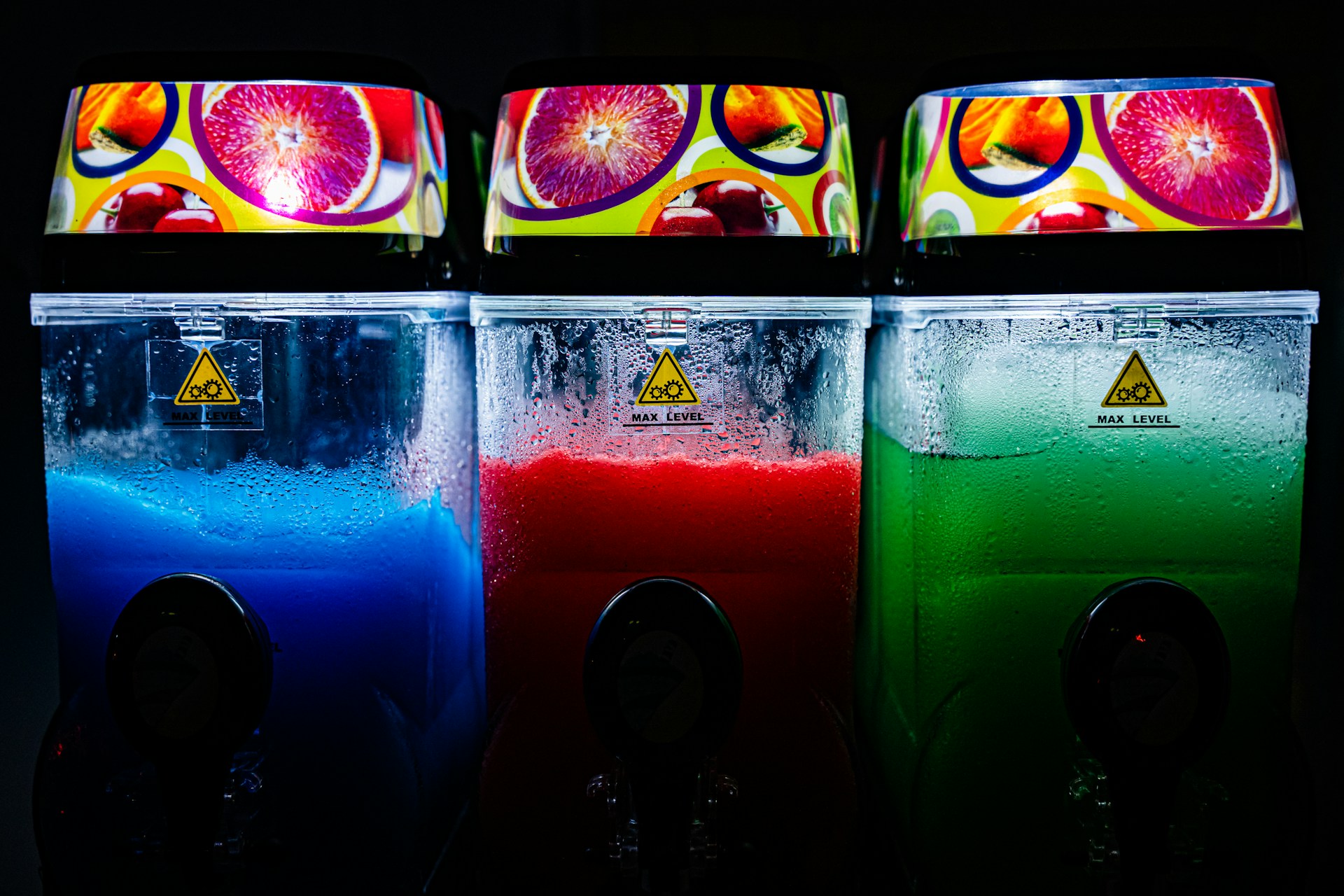
(opens in a new window)The findings are particularly relevant following the introduction of sugar-sweetened beverage levies in Ireland and the UK in 2018–2019 which may have prompted more manufacturers to replace sugar with glycerol (E422), an authorised food additive and sweetener with properties that maintain the slush ice effect. Although glycerol is naturally-occurring and considered safe for general consumption, the research demonstrated that rapid ingestion of high doses which can be present in sugar-free slushies can be toxic to very young children.
Research impact
The research demonstrates how clinically driven, collaborative academic work can contribute rapidly to national guidance, delivering meaningful and lasting benefits for child health and public safety.
Political impact
The most significant impact of this research has been its direct and measurable influence on food-safety policy in Ireland and the UK, grounded in rare but clear clinical evidence of harm to young children. By demonstrating that high-dose glycerol exposure from slush ice drinks can cause acute and severe illness, the study addressed a critical evidence gap. Prior to this work, glycerol was widely assumed to be safe. The research has challenged this assumption in certain situations and provided the clinical, biochemical and epidemiological evidence to support policy change in Ireland and the UK
In Ireland, the authors notified and engaged with the Food Safety Authority of Ireland (FSAI) when it became apparent that there was an ongoing health risk for young children. FSAI subsequently undertook a review and (opens in a new window)issued advice for consumers and industry, and escalated concerns through the European Commission working group on Food Additives. Germany’s Federal Institute for Risk Assessment (BfR) then undertook a (opens in a new window)toxicological risk assessment (2024). The report noted variation in measured glycerol content in slush ice drinks, and acknowledged the potential risk from rapid high-dose ingestion of glycerol by children. The BfR report recommended that children should not consume slush ice drinks that contain glycerol. Germany has also escalated concerns through the European Commission working group on Food Additives.
In the UK, the Food Standards Agency (FSA) undertook a (opens in a new window)rapid risk assessment following the publication and revised their guidance in 2025, recommending that children under seven years should not consume slush ice drinks, and limiting consumption in older children. They requested that manufacturers share data on the exact quantity of glycerol in their products.
Food Standards Scotland translated this guidance into practice by (opens in a new window)developing a toolkit for retailers and industry, supporting consistent implementation.
Health and social impact
Alongside policy change, the research has delivered important clinical and health impacts. It defined glycerol intoxication syndrome as a rare and recognisable paediatric toxidrome, enabling faster diagnosis and appropriate treatment. Authors disseminated early findings at conferences and were notified of further cases, strengthening the research and evidence.
Emergency medicine guidance from the Royal College of Emergency Medicine was issued. Glycerol was added to national toxicology databases (Toxbase), and clinician awareness increased across paediatric and emergency care settings.
Researchers worked closely with public health experts to ensure clear and balanced messaging, and the findings attracted significant public and media attention, with extensive coverage across Irish, UK and international outlets. The Irish Minister of State for Health and Wellbeing publicly welcomed the research, highlighting its importance for child health and food safety.
This media coverage further amplified the health impact, informing parents and carers and reinforcing public health messages that slush ice drinks — whether sugar-sweetened or sugar-free — are not part of a healthy diet for children.