2030 and beyond - the future of the Sustainable Development Goals
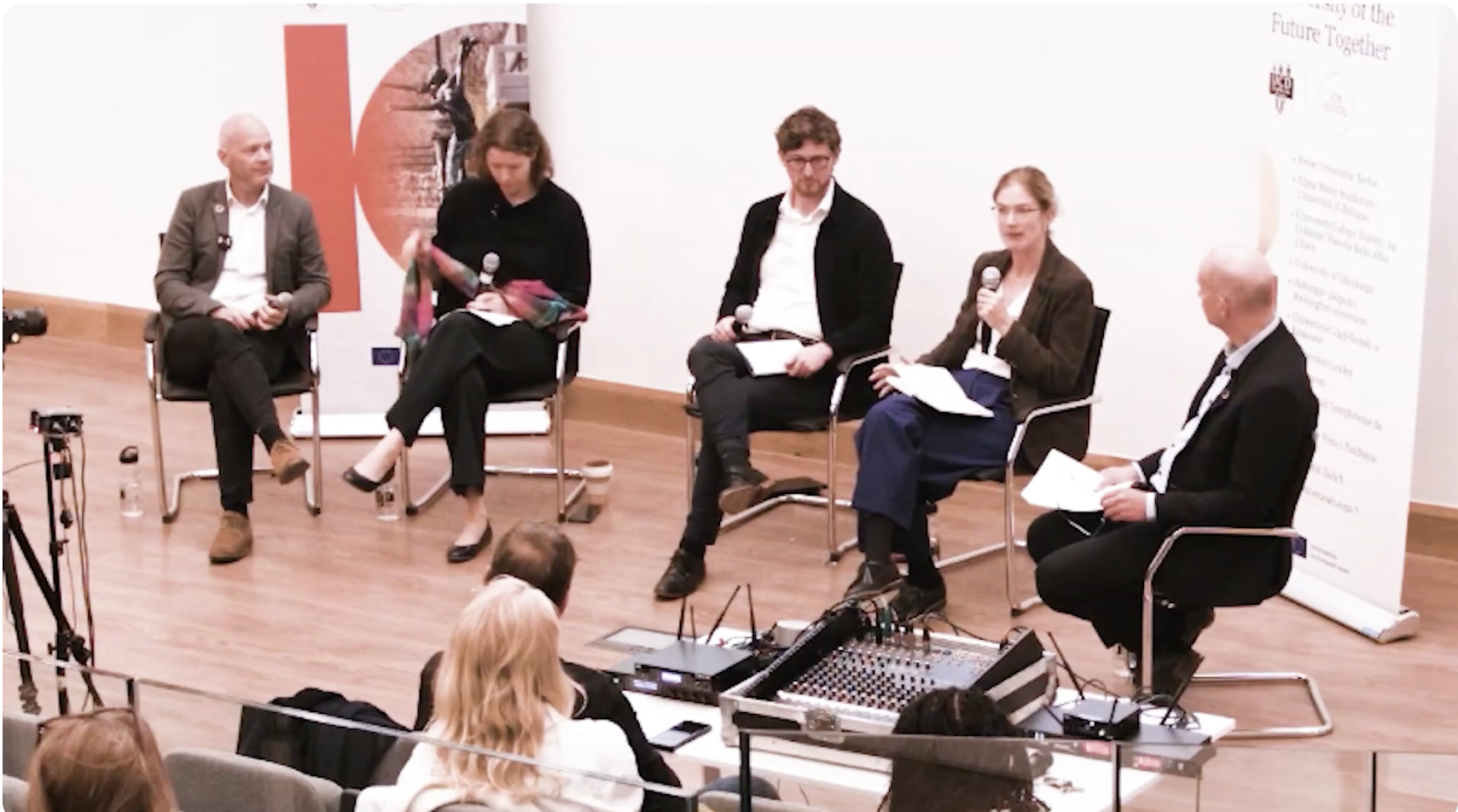
During UCD SDG Week, September 2025, Una Europa hosted the event (opens in a new window)"2030 𝐚𝐧𝐝 𝐁𝐞𝐲𝐨𝐧𝐝: 𝐓𝐡𝐞 𝐅𝐮𝐭𝐮𝐫𝐞 𝐨𝐟 𝐭𝐡𝐞 𝐒𝐮𝐬𝐭𝐚𝐢𝐧𝐚𝐛𝐥𝐞 𝐃𝐞𝐯𝐞𝐥𝐨𝐩𝐦𝐞𝐧𝐭 𝐆𝐨𝐚𝐥𝐬." Moderated by University College Dublin Vice President for Sustainability, Prof Tasman Crowe, panellists were Dr Sinead Walsh, principal research fellow for climate at ODI Global; Conor Minogue, energy and climate policy lead for the business group Ibec; Prof Enda Murphy, head of planning at UCD School of Architecture, Planning and Environmental Policy; and Prof Lisa Ryan, professor in energy economics in the UCD School of Economics.
𝐁𝐞𝐥𝐨𝐰 𝐚𝐫𝐞 𝐨𝐮𝐫 𝐭𝐚𝐤𝐞𝐚𝐰𝐚𝐲𝐬 - and you can now watch the (opens in a new window)video to form your own views too.
🌍 There is limited overall progress. 𝐎𝐧𝐥𝐲 18% 𝐨𝐟 𝐒𝐃𝐆 𝐭𝐚𝐫𝐠𝐞𝐭𝐬 𝐚𝐫𝐞 𝐨𝐧 𝐭𝐫𝐚𝐜𝐤, 𝐰𝐡𝐢𝐥𝐞 20% 𝐚𝐫𝐞 𝐫𝐞𝐠𝐫𝐞𝐬𝐬𝐢𝐧𝐠 - a sign that global efforts are falling far short.
🌍 The clear successes are 𝐞𝐝𝐮𝐜𝐚𝐭𝐢𝐨𝐧 𝐚𝐧𝐝 𝐞𝐧𝐞𝐫𝐠𝐲. Access to education and electricity have improved markedly, thanks to global school completion rates and the spread of off-grid solar power. (But as the world warms, more energy is spent on air conditioning.)
🌍 𝐄𝐱𝐭𝐫𝐞𝐦𝐞 𝐩𝐨𝐯𝐞𝐫𝐭𝐲 𝐚𝐧𝐝 𝐡𝐮𝐧𝐠𝐞𝐫 are rising again and widening inequality underpins many other SDG failures.
🌍 With 169 targets and over 350 indicators, tracking progress is complex. Weak data obscures where genuine improvements are happening.
🌍 The SDGs have faced severe headwinds - COVID-19, wars, and a collapse in aid and finance - diverting attention and resources.
🌍 A $4.3 (€3.8) trillion annual shortfall threatens the agenda. More innovative finance, wealth taxes and honest debate on global inequality are needed.
🌍 Businesses embraced sustainability during the pandemic but now face cost pressures; 𝐮𝐧𝐢𝐯𝐞𝐫𝐬𝐢𝐭𝐢𝐞𝐬 𝐦𝐮𝐬𝐭 𝐝𝐫𝐢𝐯𝐞 𝐞𝐝𝐮𝐜𝐚𝐭𝐢𝐨𝐧, 𝐫𝐞𝐬𝐞𝐚𝐫𝐜𝐡 𝐚𝐧𝐝 𝐫𝐞-𝐬𝐤𝐢𝐥𝐥𝐢𝐧𝐠 𝐟𝐨𝐫 𝐚 𝐬𝐮𝐬𝐭𝐚𝐢𝐧𝐚𝐛𝐥𝐞 𝐟𝐮𝐭𝐮𝐫𝐞.
🌍 Rising nationalism and aid withdrawal have weakened global cooperation - the very foundation of the SDGs.
🌍 The post-2030 framework should focus on fewer, interconnected and realistic goals, prioritising climate, poverty and hunger.
🌍 Public engagement is faltering because progress is not communicated through relatable outcomes. Stronger storytelling is vital to show why the SDGs matter to everyday life.