Targeting sulphur pathways in WHO-designated high priority pathogen
Wednesday, 22 January, 2025
Share
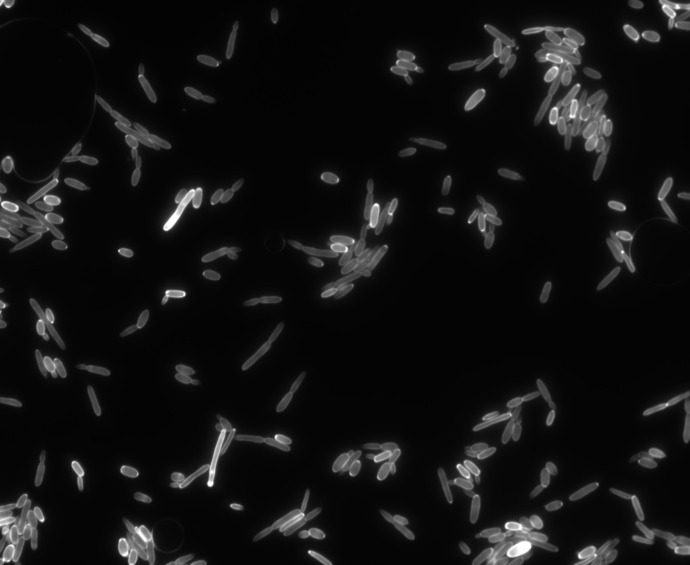
The tell-tale smell of rotten eggs is often a sign that sulphur is at work. Sulphur is a key element in proteins such as keratin, which makes your hair and nails tough, and used in agriculture to make fertilisers.
Researchers at UCD Conway Institute led by Conway Fellow,(opens in a new window)Professor Geraldine Butlerfrom UCD School of Biomolecular & Biomedical Science have shown for the first time that the yeast,Candida parapsilosisscavenges and regulates sulphur metabolism in an unusual way.
Candida parapsilosiscan cause severe infections, particularly in people with weakened immune systems. The yeast has been identified as the culprit in several recent outbreaks of infection.
Like other microbes,C. parapsilosissearches its environment for nutrients. This might be in the soil or in the human body during infection. The mechanisms it uses to acquire nitrogen and carbon have been studied but nothing was known about its sulphur metabolism until now.
The team have generated the largest collection to date ofC. parapsilosisstrains in which the function of more than 350 genes was disrupted.
Describing the research study, postdoctoral researcher, Dr Lisa Lombardi explained, “We analysed how these strains would grow in more than 50 different conditions such as in the presence of drugs, or in the absence of specific amino acids. We coupled this information with other experiments to identify the individual contribution of different regulators of sulphur metabolism.”
Explaining the study findings that were recently published in the scientific journal,(opens in a new window)Nature Communications, Professor Geraldine Butler said, “We found thatC. parapsilosisevolved different ways to regulate how it acquires sulphur – both inorganic and organic types. By using these regulators, the yeast can survive in many places, from the human body to the environment, making it a more versatile pathogen.”
Some essential components of sulphur metabolism are not present in humans. This makes them very interesting to us as potential drug targets that are both effective (interfering with them would likely be harmful for the yeast) and specific (harmless for the infected patient).
Over the past 10 years, there has been a large increase in the number of outbreaks worldwide caused by strains ofC. parapsilosisthat are resistant to drug treatment. In 2023, the(opens in a new window)World Health Organisationrated this yeast as a high priority to target.
The Butler group will now share the largest collection ofC. parapsilosisgene disruptions with the scientific community to enable rapid progress in characterising this important pathogen.
“Our collection of gene disruptions will enable many future studies of virulence and drug resistance in this species. By investigating branches of its metabolism that are still not well characterised (such as sulphur metabolism), we can devise new strategies to control its spread”, said Dr Lombardi.
The team will now focus on establishing how sulphur metabolism contributes to infection in the human host and evaluating whether it can be a target for drug development, or for strategies aimed at containing the spread of the pathogen in the hospital environment.
Journal reference
Lombardi, L., Salzberg, L.I., Cinnéide, E.Ó. et al. Alternative sulphur metabolism in the fungal pathogen Candida parapsilosis. Nat Commun 15, 9190 (2024).(opens in a new window)https://doi.org/10.1038/s41467-024-53442-8