Explore UCD

UCD Home >

Conway Fellows

Conway Fellows

We are a member-led research community with 168 Conway Fellows at the start of the 2025/2026 academic year

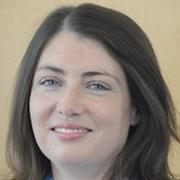
Carol Aherne

Carol Aherne

Assistant Professor

My research focuses on epithelial barrier function in the context of inflammatory bowel disease. Our lab is investigating novel signaling molecules that promote epithelial cell proliferation and migration or restitution of epithelial cell junctions. Our research is designed to better understand epithelial barrier dysfunction in IBD with the goal of identifying possible novel therapeutic strategies.

View Profile

Role:

School:

Expertise:

Research Theme:
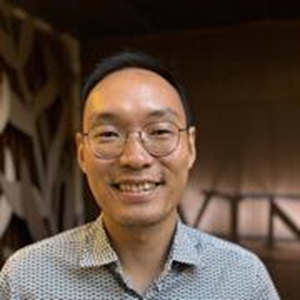
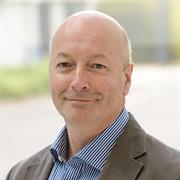
Man smiling

Seungkuk Ahn

Associate Professor

My research focuses on understanding cell-extracellular matrix mechanobiology in 3D contexts. We aim to 1) tissue-engineer biomimetic 3D extracellular matrix scaffolds via various additive manufacturing platforms, 2) investigate integrin-mediated mechanosignaling, and 3) design “regenerative niches” for functional implants and in vitro model systems.

View Profile

Role:

School:

Expertise:

Research Theme:

Olga Baron

Olga Baron

Assistant Professor

We use the adult Drosophila (fruit fly) to study molecular mechanisms that are activated in peripheral somatosensory neurons (nociceptors) upon injury. This allows us to mimic nociceptive sensitisation similar to that seen in human chronic pain conditions.

View Profile

Role:

School:

Expertise:

Research Theme:
John Baugh

John Baugh

Associate Professor

My team focus on translational research in heart failure, specifically on the development of prognostic and diagnostic biomarkers and novel therapeutics for diastolic dysfunction. We also investigate therapeutics for pulmonary fibrosis

View Profile

Role:

School:

Expertise:

Research Theme:
Despina Bazou

Despina Bazou

Assistant Professor

My research focuses on multi-omics (genomics, transcriptomics, proteomics) and cell biology (cell culture, mouse models of disease, 3D tissue mimetic models) approaches to overcome treatment resistance in patients with haematological malignancies, especially multiple myeloma (MM).

View Profile

Role:

School:

Expertise:

Research Theme:

Orina Belton

Orina Belton

Professor

Our current programme of research investigates the fundamental mechanisms governing atherosclerosis regression. Our laboratory has established a novel model of atherosclerosis regression in vivo, achieved by administration of conjugated linoleic acid (CLA) apoE knockout mouse model of atherosclerosis.

View Profile

Role:

School:

Expertise:

Research Theme:

Antonio Benedetto

Antonio Benedetto

Assistant Professor

My research focus is on the interaction between a new family of organic salts (room-temperature ionic liquids) with biosystems ranging from single biomolecules up to whole cells. The aim of my research is to determine the microscopic mechanisms behind the meso- and macro-scopic behaviour of biosystems doped with ionic liquids for applications in biomedicine, pharmacology and bionanotechnology.

View Profile

Role:

School:

Expertise:

Research Theme:
Oliver Blacque

Oliver Blacque

Professor

We employ genetics, cell biology and advanced imaging approaches to investigate the molecular basis of cilium formation and function. These microtubule based organelles extending from the surfaces of most eukaryotic cell types serve critical functions in cell and fluid motility, chemo-/photo-/mechano- transduction and developmental signalling. Defects in cilium function lead to many human diseases including polycystic kidney disease, retinitis pigmentosa, as well as multisymptomatic disorders such as Bardet-Biedl syndrome.

View Profile

Role:

School:

Expertise:

Research Theme:

Profile photo of Billy Bourke

Billy Bourke

Clinical Professor

My main laboratory research interest is in infectious diarrhoeal diseases of childhood and my group focuses particularly on Campylobacter jejuni, a major human intestinal pathogen and the most common cause of bacterial gastroenteritis. We explore the manner in which pathogenicity is modulated by the host but also investigate the role of mucous and mucins in Campylobacter infection.

View Profile

Role:

School:

Research Theme:

Paula Bourke

Paula Bourke

Professor, Head Of School

The ability to push biomedical science and engineering forward, requires microbial control to prevent or control infection in order to realise the safe and therapeutic advantages. My research will focus on cold plasma approaches for infection control in orthopaedic medicine and explore other opportunities for cold plasma and other non-thermal and nature based approaches for novel non-antibiotic interventions.

View Profile

Role:

School:

Expertise:

Research Theme:
David Brayden

David Brayden

Professor

The science of oral peptide delivery addresses how to convert normally injected biotech peptides and proteins to convenient oral forms for patients, such as oral insulin. However, the problem is that such molecules are unstable in the gut and are poorly absorbed so they require nanoparticle-based technologies to address these issues. We have a range of technologies and bioassays to contribute. We leverage such technologies into other therapeutic areas with unmet needs, such as delivery of nanoparticle-peptides into joints for arthritis.

View Profile

Role:

School:

Expertise:

Research Theme:
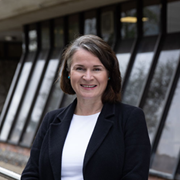
Donal Brennan

Donal Brennan

Clinical Professor

1. Obesity related carcinogenesis: We are using in vitro and in vivo models and also developing trials in patients with early stage endometrial cancer to ascertain if intentional weight loss can change cancer biology. 2. Precision medicine solutions for ovarian cancer: We are using ex vivo diagnostics to improve patient stratification and also develop predictive assays for immunotherapy.

View Profile

Role:

School:

Expertise:

Research Theme:
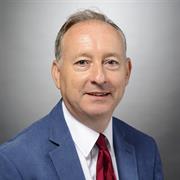
Eoin Brennan

Eoin Brennan

Assistant Professor

Diabetes is associated with complications due in part to chronic elevation of blood glucose levels and hypertension, leading to damage of arteries and small blood vessels of the kidney, eye and nervous system. My translationally-focused research objective is the identification of new treatment strategies for arresting the progression of vascular diseases, particularly in the context of diabetes. My investigations use preclinical in vivo models of diabetic (T1D, T2D) complications, novel pro-resolution medicines, micro-RNA therapeutics, clinical biobank specimens, cell model systems.

View Profile

Role:

School:

Expertise:

Research Theme:
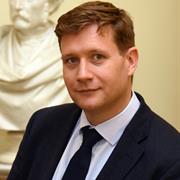
Gary Brennan

Gary Brennan

Assistant Professor

My research is focused on the cellular and molecular mechanisms which govern gene expression in the brain and how they contribute to the development of epilepsy. We are particularly interested in epigenetics and RNA biology. We hope that improved understanding of gene expression may illuminate novel treatment options for neurological diseases.

View Profile

Role:

School:

Expertise:

Research Theme:
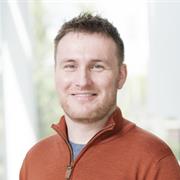
Man smiling

Kieran Brennan

Dr

View Profile

School:

Expertise:

Research Theme:

Lorraine Brennan

Lorraine Brennan

Professor

My research interests revolve around metabolism and altered metabolic pathways in health and disease. We currently employ nutrigenomic techniques (metabolomics, proteomics and transcriptomics) to further our understanding of the relationship between nutrition and health. Of particular interest is the development of metabolomics for nutritional research.

View Profile

Role:

School:

Expertise:

Research Theme:
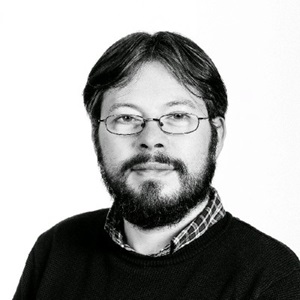
Geraldine Butler

Geraldine Butler

Professor

Candida species are among the most common cause of fungal infection worldwide, and have high attributable mortality rates. We work predominantly with C. parapsilosis, which is of particular concern in premature babies and in the old. It grows as biofilms, or living mats, on indwelling medical devices. Biofilms are very resistant to antifungal drugs, making infections difficult to treat. We have identified regulators of biofilm growth that may lead to the development of new therapies.

View Profile

Role:

School:

Expertise:

Research Theme:
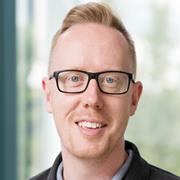
Adam Byrne

Adam Byrne

Professor

A key function of the respiratory tract is the ability to maintain immune tolerance despite continuous exposure to inhaled antigens. Airway macrophages (AMs) are strategically positioned to mediate lung homeostasis. My research programme which seeks to explore key molecular mechanisms and pathways that dictate AM responses in the lung at homeostasis and during chronic diseases such as asthma and idiopathic pulmonary fibrosis.

View Profile

Role:

School:

Expertise:

Research Theme:
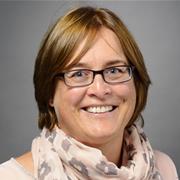
Annette Byrne

Annette Byrne

Professor

Visiting Professor and Associate Conway Fellow, Annette Byrne is based in Royal College of Surgeons in Ireland (RCSI). Her group focus on the development of novel precision medicine approaches to treat cancer; to discover novel predictive biomarkers (genomic, transcriptomic, proteomic) and identify new therapeutic targets. They use highly disruptive multi-modality molecular imaging and next generation sequencing (NGS) approaches.

View Profile

Role:

School:

Expertise:

Research Theme:
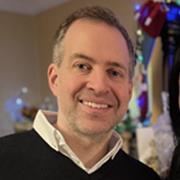
Joseph Byrne

Joseph Byrne

Assistant Professor

My research group works at the interface between carbohydrate chemistry and coordination chemistry, in particular focusing on the applications of carbohydrate-functionalised metal complexes as diagnostic and therapeutic tools against bacteria and other pathogens.

View Profile

Role:

School:

Expertise:

Research Theme:

Gerard Cagney

Gerard Cagney

Associate Professor

We use systems approaches to study problems of scientific and clinical interest. This means trying to study all the components of a biological system at the same time.

View Profile

Role:

School:

Expertise:

Research Theme:
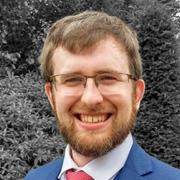
Mert Celikin

Mert Celikin

Assistant Professor

Our research team, Materials Design and Processing Group at UCD, focuses on the design, processing and characterisation of novel lightweight alloys for biomedical (craniofacial and orthopaedic) implants. Expertise in alloy design, fatigue and high- resolution electron microscopy allows for understanding phase transformation & deformation mechanisms to develop implants with superior performance.

View Profile

Role:

School:

Expertise:

Research Theme:
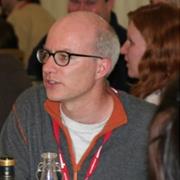
Marguerite Clyne

Marguerite Clyne

Emeritus Professor

My area of interest is how bacteria interact with human and animal tissue and cause disease. The group work with Helicobacter pylori, Campylobacter jejuni and Pseudomonas aeruginosa. An area of particular interest is how bacteria colonise and live in mucus.

View Profile

Role:

School:

Expertise:

Research Theme:
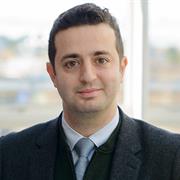
Colm Collins

Colm Collins

Assistant Professor

My research focuses on the development of novel therapies for the treatment of inflammatory bowel disease. My lab is currently assessing the impact of the endocannabinoid system on mucosal immunology. We have demonstrated a clear role for the endocannabinoid pathway in attenuating intestinal disease and are now working to understand a number of key components of that process.

View Profile

Role:

School:

Expertise:

Research Theme:
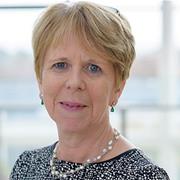
Eric Conway

Eric Conway

Assistant Professor

My research focuses on establishing the molecular mechanisms of chromatin and transcriptional regulation. Mutations in epigenetic regulators that control these processes often drive diseases such as cancer. We use next-generation genomics and molecular biology techniques such as Hi-C, CUT&Tag, ChIP-seq and RNA-seq to explore the function of these epigenetic regulators.

View Profile

Role:

School:

Expertise:

Research Theme:
Rebecca Corrigan

Rebecca Corrigan

Assistant Professor

My research involves the characterisation of nucleotide-controlled stress signalling pathways in bacteria and their importance for infection and antibiotic resistance. My lab’s current focus is on the study of the stringent response alarmones (p)ppGpp in Staphylococcus aureus and their role in high-level resistant methicillin resistant S. aureus (MRSA).

View Profile

Role:

School:

Expertise:

Research Theme:
Profile photo of Christine Costello

Christine Costello

I am interested in understanding the lung specific mechanisms through which hypoxia promotes structural changes in blood vessels and increased blood pressure in chronic lung diseases. Understanding these mechanisms may allow us to identify potential therapeutic strategies so as to target the disease process within the lung without causing unwanted adverse effects in other organs. We seek to identify lung-selective genes and lung-selective microRNAs that contribute to the unique response of the pulmonary vasculature to low oxygen levels.

Expertise:

Research Theme:

Derek Costello

Derek Costello

Assistant Professor

My research examines the inflammatory processes in the brain that underlie neurodegenerative diseases, including Alzheimer’s disease and age-related cognitive decline. We assess the impact of the immune system on the brain, in response to lifestyle factors, metabolic disorders and systemic conditions that promote susceptibility to age-related dysfunction. We examine how the endogenous immune system can be manipulated for therapeutic potential, to restore function and alleviate the negative consequences of inflammatory conditions on the brain.

View Profile

Role:

School:

Expertise:

Research Theme:
Aisling Coughlan

Aisling Coughlan

Assistant Professor

Our work is focused on leveraging epigenomic and functional genomics methods to find new therapeutic avenues in difficult-to-treat cancers. With a particular focus on haematological malignancies, we are using CRISPR-Cas9 screening to uncover therapy resistance mechanisms, and to identify novel sensitizing drug targets tailored to individual patients.

View Profile

Role:

School:

Expertise:

Research Theme:
Daniel Crean

Daniel Crean

Assistant Professor

My group are currently looking at the role of NR4A genes in regulating NF-kB signalling in immune cells; the role of NR4A genes in the resolution of inflammation and fibrosis; novel therapeutics, such as BMP-7 mutants and incretin hormones, for the treatment of fibrosis and inflammation.

View Profile

Role:

School:

Expertise:

Research Theme:
Paul Crossey

Paul Crossey

Assistant Professor

My research interests are focused on a family of insulin growth hormone binding proteins (IGFBPs) which regulate IGF bioavailability and thus bioactivity. Reduced IGF-I bioavailability is a feature of type 1 and type 2 diabetes and there is growing evidence that this is an important factor in the pathophysiology of these disorders.

View Profile

Role:

School:

Expertise:

Research Theme:
Mark Crowe

Mark Crowe

Professor

As part of the Reproductive Biology Research Cluster, we focus on specific aspects of female infertility in order to identify molecules in ovarian follicles, oocytes, embryos and the cervix and uterus that are responsible for, or are markers of, infertility. This is achieved by using established large animals of fertility/infertility, in vitro cell culture techniques and the latest technological advances in the biosciences to study the structure and function of complex molecules.

View Profile

Role:

School:

Expertise:

Research Theme:
Eoin Cummins

Eoin Cummins

Associate Professor

The focus of our research is how different levels of the physiological gases oxygen and carbon dioxide contribute to cell signalling, particularly in the context of inflammation. Current projects are directed towards understanding the mechanisms underpinning the cellular sensitivity to carbon dioxide and cross talk between oxygen and carbon dioxide signalling pathways.

View Profile

Role:

School:

Expertise:

Research Theme:

Kevin Daly

Kevin Daly

Assistant Professor

My research utilises palaeogenomics - using DNA recovered from ancient material to study living things in the past. I have a particular focus on domestication of small ruminants, sheep and goats. I also explore the evolution of their pathogens, particularly zoonoses, those capable of infecting humans.

View Profile

Role:

School:

Expertise:

Research Theme:
Kenneth Dawson

Kenneth Dawson

Professor

Understanding the mechanisms and spatiotemporal aspects of nanomaterial interactions with living systems will enable us to design new nano-based therapies and diagnostic platforms, as well as ensuring that nanomaterials not intended for human contact can be utilised safely.

View Profile

Role:

School:

Expertise:

Research Theme:
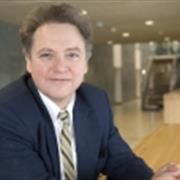
Monica De Gaetano

Monica de Gaetano

Assistant Professor

With my team, we are currently focusing on investigating pathogenetic and regression mechanisms of atherosclerosis, the underlying cause of the majority of cardiovascular diseases, by tackling the associated-‘residual inflammatory risk’, combining gold-standard drugs with novel pro-resolving agents, thus promoting the resolution of sustained low-grade-inflammation, charactering such complex disease.

View Profile

Role:

School:

Expertise:

Research Theme:
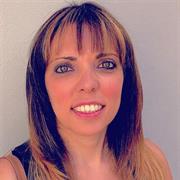
Neil Gerard Docherty

Neil Gerard Docherty

Associate Professor

My research efforts are focused on understanding the mechanisms of action of bariatric/metabolic surgery with a special emphasis on attendant impact on renal microvascular complications of diabetes.

View Profile

Role:

School:

Expertise:

Research Theme:

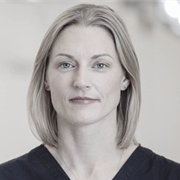
Woman smiling

Roisin Dolan

Clinical Professor

I contribute clinical insight to translational research, particularly in tissue regeneration, wound healing, and surgical innovation. The Sentinel Trial is a translational study evaluating the use of a donor-derived vascularised skin flap as a real-time immunologic sensor for acute rejection in solid organ transplantation. By enabling early, non-invasive detection, Sentinel bridges laboratory immunology with clinical practice to advance precision monitoring and improve graft outcomes.

View Profile

Role:

School:

Expertise:

Research Theme:

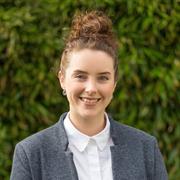
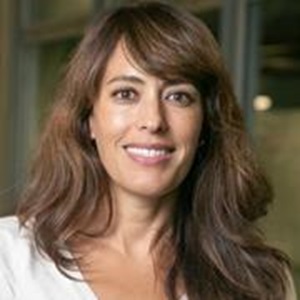
Dearbhaile Dooley

Dearbhaile Dooley

Assistant Professor

Over two million people are affected by spinal cord injury (SCI) worldwide. Following SCI, proinflammatory resident microglia and infiltrating macrophages dominate the pathological environment and can exert beneficial or detrimental effects, depending on their activation state. We aim to understand what drives these activation states in order to modulate the inflammatory response and ultimately improve recovery after SCI.

View Profile

Role:
School:
Expertise:

Research Theme:
Profile photo of Joe Duffy

Joe Duffy

Emeritus Professor

Development of new biomarkers and therapeutics for breast cancer

View Profile

Role:

School:

Expertise:

Research Theme:
Profile photo of Jim Egan

Jim Egan

Professor

Role:

School:

Expertise:

Research Theme:
Guenther Eissner

Guenther Eissner

Professor

My major research focus is on endothelial pathology in transplant medicine and on mesenchymal stem cells in transplant and regenerative medicine.

View Profile

Role:

School:

Expertise:

Research Theme:
Woman smiling

Nadia Elghobashi Meinhardt

Assistant Professor

Our group uses a range of computational tools to investigate structure-function relationships in complex biological systems. The overarching aim of this research is to understand the chemistry that drives biological function. To this end, we use and develop computational tools (e.g. quantum mechanics, molecular mechanics, hybrid QM/MM, small-molecule docking, molecular dynamics, machine-learning) to simulate the underlying physics and chemistry of the system of interest.

View Profile

Role:

School:

Expertise:

Research Theme:

Paul Engel

Paul Engel

Emeritus Professor

We work on various aspects of enzymes, the agents that speed up and make possible every chemical process in our cells. We study ways in which they go wrong in various human genetic diseases. We also alter them deliberately by mutations in order to use them as vital tools for the chemical industry. We study them also in depth to understand just how these tiny molecular machines work and are regulated.

View Profile

Role:

School:

Expertise:

Alexander Evans

Alexander Evans

Professor

As part of the Reproductive Biology Research Cluster, we focus on specific aspects of female infertility in order to identify molecules in ovarian follicles, oocytes, embryos and the cervix and uterus that are responsible for, or are markers of, infertility. This is achieved by using established large animals of fertility/infertility, in vitro cell culture techniques and the latest technological advances in the biosciences to study the structure and function of complex molecules.

View Profile

Role:

School:

Expertise:

Research Theme:
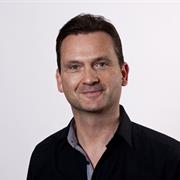
Paul Evans

Paul Evans

Associate Professor

We are engaged in devising new methods for the chemical synthesis of natural products and their analogues with a view to both inventing and exemplifying new types of chemical reactions and also to investigating the biological activities of the synthesised targets. Targets include fatty acid metabolites and alkaloids with a range of biological effects including anti-inflammatory, anti-angiogenic, cytotoxic and CNS activity

View Profile

Role:

School:

Expertise:

Research Theme:
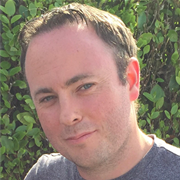
Judith Evers

Judith Evers

Assistant Professor

My research interest is in preclinical models of neuromodulation therapies, specifically for Parkinson's disease. I focus on the electrode-tissue interface of deep brain stimulation electrodes, closed-loop deep brain stimulation and directional leads. I am interested in novel closed-loop algorithms, novel stimulation targets and non-invasive neuromodulation.

View Profile

Role:

School:

Expertise:

Research Theme:

Aurelie Fabre

Aurelie Fabre

Clinical Professor

I provide national expertise in interstitial lung disease and in adult sudden cardiac death, working closely with respiratory consultants and cardiothroacic surgeons. At research levels, I provide expertise in tissue and cell morphology, image analysis, animal models and immunohistochemistry.

View Profile

Role:

School:

Expertise:

Research Theme:
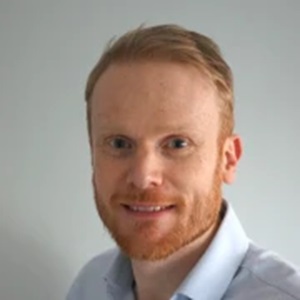
Oliver Fitzgerald

Oliver Fitzgerald

Clinical Professor

Key research disease area is inflammatory arthritis (IA) in particular psoriatic arthritis. At SVUH, we have built up a large clinical cohort of inflammatory arthritis patients with defined clinical and radiographic phenotype on a longitudinal database. Our bio-resource facilitates the study of disease mechanisms and mode of action of therapeutic interventions.

View Profile

Role:

School:

Expertise:

Research Theme:
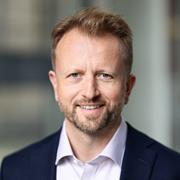
Nicola Fletcher

Nicola Fletcher

Assistant Professor

My research focuses on viral infections that can be transmitted from animals to humans, and a One Health approach to understand these diseases. My current research focuses on hepatitis E virus, an emerging viral infection that is of increasing importance as a cause of acute hepatitis in people.

View Profile

Role:

School:

Expertise:

Research Theme:

Profile photo of Fiona Freeman

Fiona Freeman

Associate Professor

Dr Freeman’s research team primarily focuses on using novel engineering techniques to understand and develop new therapeutics to treat injured and diseased musculoskeletal tissue."

View Profile

Role:

School:

Expertise:

William Gallagher

William Gallagher

Professor

The identification and validation of biomarkers of breast cancer and melanoma is a major research focus in our group. Biomarkers act as a signature for a specific disease and are used to develop diagnostic tests, enable more targeted treatment strategies and can provide rapid information on the effectiveness of cancer treatment.

View Profile

Role:

School:

Expertise:

Research Theme:

MAn sm

David Galvin

Professor

My research interests are focused on urological cancers and within UCD on prostate cancer. I lead the Irish Prostate Cancer registry (IPCOR), the first national cancer specific registry and developed ProstateCheck.ie, Irelands first prostate cancer screening pilot as part of the EU funded PRAISE-U collaboration across Europe.

View Profile

Role:

School:

Expertise:

Research Theme:
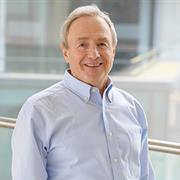
Antonio Garzon Vico

Antonio Garzon Vico

Assistant Professor

Originally a philosophy and business graduate, I currently conduct research on topics of business of biotech (cognitive biases, learning from success and failure) and teach business skills to science students (business planning, strategy and organisational behaviour). I also advise science-based startups on business planning and organisational behaviour.

View Profile

Role:

School:

Expertise:

Research Theme:
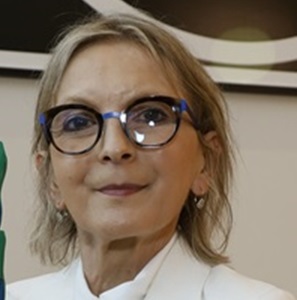
Virginie Gautier

Virginie Gautier

Associate Professor

My research programme focuses on the HIV molecular pathogenesis, the host-virus interface and HIV cure and, more recently, SARS-CoV-2 molecular pathogenesis.

View Profile

Role:

School:

Expertise:

Research Theme:

Declan Gilheany

Declan Gilheany

Professor

Nucleosides are an important drug class that includes some well-known anti-viral and anti-cancer drugs such as Zovirax (cold sores), AZT (HIV) and Gemzar (anti-cancer). There is a limitation on the development of such drugs as their activation within the target cells in the body often is not very efficient. We discovered an easy way to make phosphorus compounds for use in the structure of ‘ProTide’ drugs to enable the self-activation of these nucleosides.

View Profile

Role:

School:

Expertise:

Research Theme:
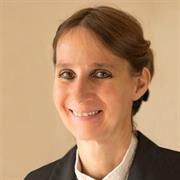
Jeffrey Glennon

Jeffrey Glennon

Assistant Professor

Research is directed towards the neuroscience of rule making and breaking. This employs neuropsychology in combination with brain MRI, neurophysiology and transcriptomic metrics in coordinated mouse and human clinical and population cohorts. Unwillingness to change strategy and rule learning may involve insulin, immune and GABAergic related mechanisms as key elements.

View Profile

Role:

School:

Expertise:

Research Theme:
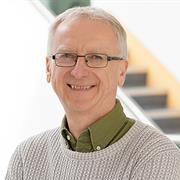
Catherine Godson

Catherine Godson

Professor

Our focus is on the molecular mechanisms underlying the initiation, progression and potential regression of diabetic kidney disease; genome wide association study of diabetic kidney disease and lipoxins and lipoxin stable analogues as modulators of inflammatory arthritis

View Profile

Role:

School:

Expertise:

Research Theme:
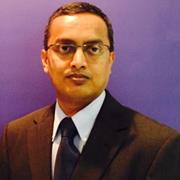
Stephen Gordon

Stephen Gordon

Professor

My research interests are in the application of genomic technologies as a route to improved understanding of disease and the exploitation of this knowledge for improved control tools. Current research focuses on improved diagnostics for bovine tuberculosis and Johne's disease.

View Profile

Role:

School:

Research Theme:

Aoife Gowen

Aoife Gowen

Professor

My research focuses on advanced hyperspectral chemical imaging techniques combined with chemometrics and molecular dynamics simulations to uncover new knowledge on biodegradation, biofouling and biocompatibility of biomaterials. We use Raman chemical imaging and chemometrics to objectively assess prostate tissue, investigate microbial growth in food matrices and surfaces using hyperspectral imaging across different spatial and spectral modalities.

View Profile

Role:

School:

Research Theme:

Profile photo of Andrew Green

Andrew Green

Professor

Research interests focus on the application of modern genetic technology in a range of clinical conditions, including inherited neurological disease and cancer as well as ethical aspects of research in paediatrics and in genetics.

View Profile

Role:

School:

Expertise:

Research Theme:
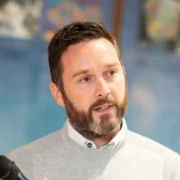
Marie-Victoire Guillot-Sestier

Marie-Victoire Guillot-Sestier

Assistant Professor

My research focuses on understanding the role of innate and adaptive immunity in brain health. In particular, our lab is investigating sex differences in neuroimmunological alterations occurring physiologically with age and in the context of Alzheimer's Disease. It aims to identify therapeutic targets for innovative patient-centred biotherapeutics against threats to brain health in ageing.

View Profile

Role:

School:

Expertise:

Research Theme:

Patrick Guiry

Patrick Guiry

Assistant Professor

Our research group focuses on synthetic organic chemistry and the ability to synthesise molecules with a range of properties. In our work on inflammation, we prepare stable lipoxin analogues with an active region for biological activity but which resist, or more slowly undergo metabolism and have a longer pharmacological activity. We also have a long-standing interest in the chemistry and biology of amphetamines and substituted MDMA analogues.

View Profile

Role:

School:

Expertise:

Research Theme:

Jana Haase

Jana Haase

Assistant Professor

Understanding function and regulation of the serotonin transporter (SERT), a neurotransmitter transporter implicated in various mood and behavioural disorders and a key target of currently prescribed antidepressants. We are also interested in peripheral functions such as during platelet activation.

View Profile

Role:

School:

Expertise:

Research Theme:
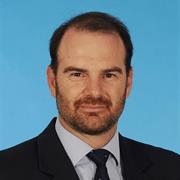
Dr Melinda Halasz

Melinda Halasz

Assistant Professor

Malignancies arising in children are rare; and differ from cancers developing in adults. However, treatment regimens for children often consist of drugs used to treat adult cancers; and current therapies are associated with long-term side effects in children. My group aims to identify less toxic and better personalised therapies for children with cancer. In particular, we focus on highly aggressive childhood cancers which are driven by the ‘undruggable’ MYCN or MYC transcription factors, such as neuroblastoma (NB) and Burkitt’s lymphoma (BL), respectively.

View Profile

Role:

School:

Expertise:

Research Theme:
Dr Ronald Halim

Ronald Halim

Assistant Professor

Our research aims to develop scalable sciences and technologies for cost-effective biorefinery production of food, animal feeds, fuels, and cosmetics from microalgae (and macroalgae) biomass. We adopt a holistic approach which integrates fundamental cellular biology and biosynthetic pathways into the development of novel algal cultivation and processing technologies.

View Profile

Role:

School:

Expertise:

Research Theme:
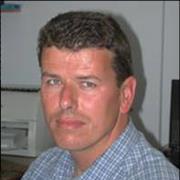
Chandralal Hewage

Chandralal Hewage

Associate Professor

Our group is currently working on several research projects to look at the various ways to develop new drugs and alternative therapy in treatment of diabetes and other human diseases.

View Profile

Role:

School:

Expertise:

Research Theme:
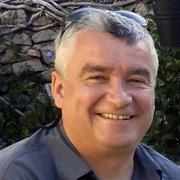
Dr David Hughes

David Hughes

Assistant Professor

My current research in molecular epidemiology examines how nutritional, genetic, metabolic, microbial and lifestyle factors (together with their interactive impact on molecular mechanisms) may affect the initiation and progression of cancer, including colorectal cancer (CRC; area of most focus), and also current projects in liver, pancreatic, breast, and gastric cancer. Investigative approaches include nutritional, genetic, molecular and microbial epidemiology observational and experimental studies in large European cancer cohorts.

View Profile

Role:

School:

Expertise:

Research Theme:
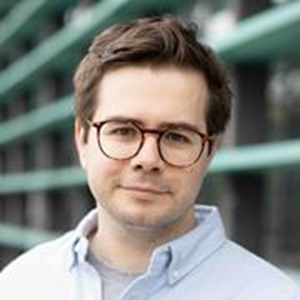
Dr Graham Hughes

Graham Hughes

Assistant Professor

My research focuses on using comparative genomics, phylogenetics and bioinformatics to understand vertebrate evolution and how sensory perception has evolved across different lineages. I focus primarily on extant mammals and am also interested in the development of automated bioinformatics pipelines to carry out high-throughput analyses.

View Profile

Role:

School:

Expertise:

Research Theme:
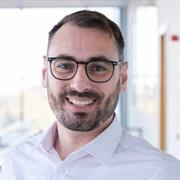
Suzi Jarvis

Suzi Jarvis

Assistant Professor

We are concerned with the design of novel technologies for biomedical applications and the understanding of the structure and function of molecular interactions on the nanometre scale. Our research is mainly focused on the application of novel atomic force microscopy (AFM) instrumentation and techniques, to find solutions for biomedical problems, at both the cellular and molecular scale.

View Profile

Role:

School:

Research Theme:
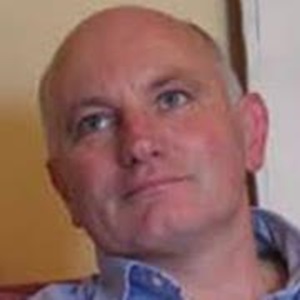
Man smiling

Luke Johnson

Assistant Professor

My research encompasses two associated themes: 1) Discovery and development of terpenoid natural products for application in human health and agriculture (One Health); 2) Identifying and engineering enzyme targets for active ingredient development and sustainable advances in pharmaceutical and agricultural chemistry.

View Profile

Role:

School:

Expertise:

Research Theme:

Dr Rory Johnson

Rory Johnson

Associate Professor

The human genome produces tens of thousands of enigmatic RNA transcripts that do not encode protein: “long noncoding RNAs” (lncRNAs). Our lab employs an interdisciplinary mixture of bioinformatics and CRISPR-Cas9 genome editing to identify lncRNAs underpinning cancer and eventually target them therapeutically.

View Profile

Role:

School:

Expertise:

Research Theme:
Michael Keane

Michael Keane

Professor

Cytokines in lung injury and remodelling

View Profile

Role:

School:

Expertise:

Research Theme:
Breandán Kennedy

Breandán Kennedy

Professor

We focus on genetic pathways and the pharmacological agents that modulate visual function and disease. We use genetic approaches to identify genes and pathways that mediate eye development, development of visual function and cone photoreceptor function. In parallel, we apply random and targeted small molecule drug screens to identify novel compounds that inhibit intraocular angiogenesis in the eye or drugs that modulate vision function in vivo.

View Profile

Role:

School:

Expertise:

Research Theme:

Boris Kholodenko

Boris Kholodenko

Professor

My group employs systems biology driven discovery and validation approaches to develop quantitative, dynamic models of signalling and gene networks that control cellular responses to external cues and thereby cell fate decisions

View Profile

Role:

School:

Expertise:

Research Theme:
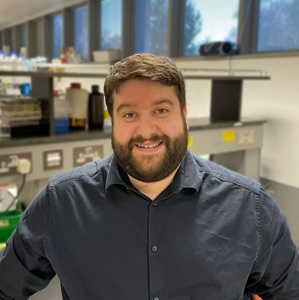
Woman smiling

B. Therese Kinsella

Professor

I am Founder & CEO of ATXA Therapeutics, a clinical-stage pharmaceutical company committed to the advancement of innovative, life-changing treatments for cardiopulmonary diseases. We aim to elucidate the molecular mechanisms of prostanoid-mediated intracellular signalling and of the factors regulating the transcriptional expression of the TP and IP genes with the objective of obtaining a detailed understanding of TXA2- and prostacyclin-regulated haemostasis and vascular tone as well as their contribution to cardiovascular disease.

View Profile

Role:

Expertise:

Research Theme:

Ulla Knaus

Ulla Knaus

Professor

Reactive oxygen species (ROS) play a crucial role in the host immune defence towards pathogens. We use using 3D cellular systems and/or in vivo models in order to gain a better understanding of the interaction between the immune system and pathogens. A current focus is on the complex relationship between mucosal host defence and bacteria that links signalling networks and functional changes in both in an intricate manner.

View Profile

Role:

School:

Expertise:

Research Theme:
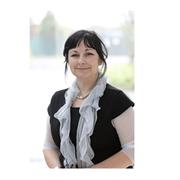
Sabine Koelle

Sabine Koelle

Professor

My research is focused on reproductive medicine, especially on improving the results of assisted reproduction. Prof Koelle hopes to combine modern imaging techniques with molecular analyses in proteomics and genomics to create new diagnostic and therapeutic tools in subfertility and infertility.

View Profile

Role:

School:

Expertise:

Research Theme:
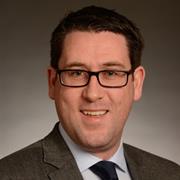
Walter Kolch

Walter Kolch

Assistant Professor

My research is focused across three areas: MAPK signalling, proteomics, and cancer research, especially in regard to using systems biology approaches.

View Profile

Role:

School:

Expertise:

Research Theme:

Dr Arun Kumar

Arun Kumar

Assistant Professor

I have successfully directed several projects in preclinical / clinical pharmacology, specifically in cardiovascular pathophysiology, diabetic complications, medical devices, arthritis, and regenerative medicine, which has resulted in either patentable products and/or high impact publications.

View Profile

Role:

School:

Expertise:

Research Theme:
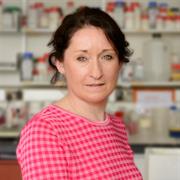
Stephen Lalor

Stephen Lalor

Assistant Professor

Our research focuses on T cell orchestration of chronic inflammatory disease and the impact of the airway microbiome on pathogenic mechanisms of disease, both within the respiratory tract and systemically.

View Profile

Role:
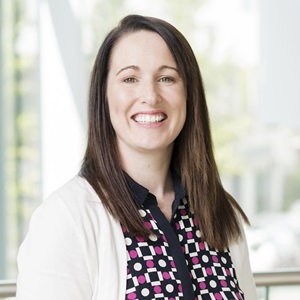
School:

Expertise:

Research Theme:

Carel Le Roux

Carel Le Roux

Professor

I have shown that early diabetic kidney disease (DKD) in obese patients can be reversed by Roux-en-Y gastric bypass (RYGB) surgery. Understanding the underlying mechanisms of such reversal will provide vital clues for innovative therapies and biomarkers of DKD regression/progression.

View Profile

Role:

School:

Research Theme:

Man smiling

Gil Lee

Professor

My group works in the emerging field of bionanotechnology, primarily focused on the study of intra- and intermolecular forces in biological molecules responsible for the rich structural and functional behaviour of biological systems; and the synthesis of functional materials that are composed of biomolecules conjugated to nanoparticles.

View Profile

Role:

School:

Expertise:

Research Theme:

Brendan Loftus

Brendan Loftus

Professor

My primary research interest is infection biology and the interaction between host and pathogen using transcriptomics and bioinformatics. Other interests involve providing sequencing and bioinformatics in pathogen genomics; human genomics and analyses of personal genomes; using sequencing and bioinformatics to interrogate transcriptional response in infertility; evolution of the transcriptome across pathogen genomes.

View Profile

Role:

School:

Expertise:

Research Theme:

Patrick Lonergan

Patrick Lonergan

Professor

As part of the Reproductive Biology Research Cluster, we focus on specific aspects of female infertility in order to identify molecules in ovarian follicles, oocytes, embryos and the cervix and uterus that are responsible for, or are markers of, infertility. This is achieved by using established large animals of fertility/infertility, in vitro cell culture techniques and the latest technological advances in the biosciences to study the structure and function of complex molecules.

View Profile

Role:

School:

Research Theme:

David MacHugh

David MacHugh

Professor

My research activities include functional genomics and systems biology of host/pathogen interactions in domestic animals, with a specific focus on mycobacterial diseases; genomic imprinting and economically important traits in livestock; evolutionary origins and population genetics of domestic cattle; genome mapping in domestic animal species; equine genomics; and application of genomics to commercial animal breeding and food production.

View Profile

Role:

School:

Expertise:

Research Theme:

Profile photo of Guerrino Macori

Guerrino Macori

Lecturer/Assistant Professor

My research explores the ‘microbial dark matter’ using advanced genomics, multi-omics integration and development of novel tools. Aligned with the One Health theme, my research spans diverse environments, from agricultural sites to the human gut microbiome, aiming to unravel microbial interactions and their implications for health, agriculture, and environmental sustainability.

View Profile

Role:

School:

Expertise:

Research Theme:

Patricia Maguire

Patricia Maguire

Professor

We discovered new signalling machinery in platelets, termed WNT signalling, and can demonstrate that activation of a distinct subset of this machinery can negatively control platelet function. We now aim to investigate how the full complement of WNT machinery regulates platelet activity.

View Profile

Role:

School:

Expertise:

Research Theme:

Profile photo of Kevin Malone

Kevin Malone

Professor

Clinical genetics of mood and psychiatric disorders

Role:

Research Theme:

Dr Mario Manresa

Mario Manresa

Assistant Professor

My research focuses on understanding the mediators and molecular mechanisms that define structural cell diversity, pathogenic activities and stroma-immune cell interactions in chronic inflammatory diseases.

View Profile

Role:

School:

Expertise:

Research Theme:

Dr Simone Marcone

Simone Marcone

Assistant Professor

My research focuses on tackling cancer progression and response to therapy by targeting inflammation and metabolic reprogramming in GI cancers.

View Profile

Role:

School:

Expertise:

Research Theme:

Adrián Mariño Enríquez

Adrián Mariño Enríquez

Clinical Professor

My goal as a physician scientist is to improve the clinical outcome of sarcoma patients through rigorous translational research. We use high-throughput functional and structural genomic approaches to identify therapeutic targets and exploitable vulnerabilities in cancer cells. On the clinical lab, we analyse sarcoma patient samples to identify diagnostic and predictive morpho-molecular biomarkers.

View Profile

Role:

School:

Expertise:

Research Theme:

Margaret McGee

Margaret McGee

Associate Professor

Our research is focused on further understanding the molecular mechanisms of cell division and cell death and how crosstalk between these distinct processes regulates cell fate. We are examining the precise role of mitotic kinases and phosphatases as key upstream regulators of cell death.

View Profile

Role:

School:

Expertise:

Research Theme:

Fionnuala McAuliffe

Fionnuala McAuliffe

Professor

Key research areas are 1) Diabetes in pregnancy; research into the effect on mother and baby of pre pregnancy diabetes and of gestational diabetes 2) Nutrition in pregnancy; examination of the impact of maternal nutrition on maternal health and infant health 3)Ultrasound imaging in pregnancy; expanding the diagnostic role of ultrasound in its assessment of fetal health and fetal growth

View Profile

Role:

School:

Expertise:

Research Theme:

Amanda McCann

Amanda McCann

Professor

My research interests focus on the mechanisms underlying Paclitaxel chemoresistance for patients presenting with epithelial ovarian cancer and breast cancer, specifically triple negative breast cancer. I also focus on how DNA methylation and histone modifications are altered in hypoxia and how this relates to ultimate chemoresistance and retention of cellular viability in the face of chemotherapeutic engagement.

View Profile

Role:

School:

Expertise:

Research Theme:

Cormac McCarthy

Cormac McCarthy

Associate Professor

My research interests are in the molecular pathogenesis of rare parenchymal and interstitial lung diseases. Current area of focus is on the role of macrophage lipid homeostasis in the pathogenesis of fibrotic lung disease and pulmonary alveolar proteinosis and the role of exosomes in epithelial to mesenchymal transition in lymphangioleiomyomatosis.

View Profile

Role:

School:

Expertise:

Research Theme:

Siobhán McClean

Siobhán McClean

Professor

My research focuses on 1. Chronic respiratory infection, specifically pathogens that cause opportunistic infections in cystic fibrosis patients, including Burkholderia cepacia complex and P. aeruginosa 2. Vaccine development: we identified a number of bacterial adhesins using a proteomic approach, which showed potential vaccine candidates. 3. Host responses of epithelial cells; mechanisms of pathogenesis; mechanisms of bacterial adaptation during chronic colonisation.

View Profile

Role:

School:

Expertise:

Research Theme:

Woman smiling

Fiona McGillicuddy

Assistant Professor

I am interested in the impact of obesity and inflammation on HDL function and cardiovascular health. A key goal of this research is to establish the effects of the obesigenic environment on the capacity of macrophages to mediate cholesterol efflux to HDL particles.

View Profile

Role:

School:

Expertise:

Research Theme:

Man headshot

Jamie McGowan

Assistant Professor

My research focuses on genome evolution in microbial eukaryotes (protists & fungi) which make up the bulk of eukaryotic biodiversity and include some of the most devastating pathogens of animals and plants. I am interested in developing single-cell and metagenomic sequencing approaches to better understand biodiversity, evolution, and host-pathogen interactions.

View Profile

Role:

School:

Expertise:

Research Theme:

Profile photo of Edward McKone

Edward McKone

Professor

Role:

School:

Expertise:

Research Theme:

Paul McLoughlin

Paul McLoughlin

Professor

My research group is focused on the exploration and understanding of key mechanisms in the development and progression of lung diseases. We aim to identify potential therapeutic strategies that can be used to target the disease process within the lung without causing unwanted adverse effects in other organs.

View Profile

Role:

School:

Expertise:

Research Theme:

Woman smiling

Hilary McMahon

Assistant Professor

My group works in the area of prion related disorders that affect both animals and humans and share similarities with Alzheimer’s disease (AD). Abnormal processing of a disease associated endogenous protein is found in both systems. We are investigating the link between the prion protein and AD and also processes to eliminate prion associated disorders through the development of new decontaminants.

View Profile

Role:

School:

Expertise:

Research Theme:

Tara McMorrow

Tara McMorrow

Associate Professor

Our research focus is to investigate some of the causes of kidney disease. We have identified a number of proteins that malfunction during the development of kidney disease and are investigating the importance of these proteins in causing disease so as to identify novel early biomarkers and potential therapeutic strategies.

View Profile

Role:

School:

Expertise:

Research Theme:

Walter McNicholas

Walter McNicholas

Professor

Sleep apnoea

View Profile

Role:

School:

Expertise:

Research Theme:

Dr Kieran Meade

Kieran Meade

Associate Professor

Controlling infectious disease at source is fundamental to support agriculture, protect the food chain and human health. My research focuses on host immunity; supporting resilience and the factors that contribute to disease susceptibility. I want to address knowledge gaps in bovine immunity using multiple disease models including tuberculosis, Johne's disease, endometritis and models for calf health.

View Profile

Role:

School:

Expertise:

Research Theme:

Wim Meijer

Wim Meijer

Professor

Research in my group focuses on three areas: water quality, animal reproduction and foal pneumonia. The facultative intracellular pathogen Rhodococcus equi has many physiological and pathological similarities to the related pathogen Mycobacterium tuberculosis.

View Profile

Role:

School:

Expertise:

Research Theme:

Grace Mulcahy

Grace Mulcahy

Professor

My research group focuses on host-pathogen interactions, and is actively involved in understanding how helminths interfere with protective immunity to bacterial infections.

View Profile

Role:

School:

Expertise:

Research Theme:

Cormac Murphy

Cormac Murphy

Professor

I mainly investigate the microbial biosynthesis and biotransformation of fluorinated compounds. Approximately 25 % of drugs are fluorinated, and there are an ever-growing number of organofluorine compounds that are released into the environment, where they come into contact with microorganisms and are transformed, possibly to more reactive/toxic metabolites.

View Profile

Role:

School:

Expertise:

Research Theme:

Keith Murphy

Keith Murphy

Professor

Our research group is dedicated to the identification of novel drug targets for the treatment of age-related neurological and neurodegenerative diseases such as schizophrenia, depression, Alzheimer’s disease and multiple sclerosis.

View Profile

Role:

School:

Expertise:

Research Theme:

Profile photo of Madeline Murphy

Madeline Murphy

Dr

The focus of my research is the identification and functional characterisation of novel therapeutic targets with the aim of developing improved therapeutics and diagnostics for fibrotic disease (including diabetic kidney disease) and more recently for cancer.

Role:

School:

Expertise:

Research Theme:

Rajat Nag

Rajat Nag

Assistant Professor

My research focuses on source-pathway(air, water, food)-receptor modelling applied to a suite of environmental and human health risk assessment topics using probabilistic and stochastic modelling under climate change scenarios. These are microbial and chemical (heavy metals and metalloids, micro and nano plastics, bisphenol A, PFAS, and mycotoxins) risks.

View Profile

Role:

School:

Expertise:

Research Theme:

Woman smiling

Fionnuala Ni Ainle

Clinical Professor

My principal research focus is to investigate the role of coagulation and inflammation in human disease, particularly in disorders affecting maternal health. Current funded projects include investigating coagulation activation in early onset preeclampsia, a disorder associated with maternal and fetal morbidity and mortality; and optimising low molecular weight heparin (LMWH) endothelial protective properties in an effort to identify novel prevention strategies in cancer metastasis.

View Profile

Role:

School:

Expertise:

Research Theme:

Niamh Nowlan

Niamh Nowlan

Professor

Prof Nowlan’s research focuses on the role of mechanical forces in prenatal and postnatal development of the bones, joints and spine. The research is contributing to a better understanding of why babies and children suffer from conditions like developmental dysplasia of the hip and metabolic bone disease of prematurity, and our goal is to develop better diagnostic and treatment strategies for such conditions.

View Profile

Role:

School:

Expertise:

Research Theme:

Dr Peter O'Brien

Peter O'Brien

Assistant Professor

We have invented and validated a predictive cell-based assay for screening drug candidates for their risk of producing idiosyncratic hepatotoxicity and various other toxicities. We are further developing this method to enhance its user-friendliness and predictive effectiveness as well as adapting it for use in detection of on-going toxicity in vivo.

View Profile

Role:

School:

Expertise:

Research Theme:

Dr. Eoin O'Cearbhaill

Eoin O'Cearbhaill

Associate Professor

I am interested in working with clinicians and scientists to identify clinical needs and develop appropriate solutions with a strategic focus on targeted, minimally invasive delivery of next-generation therapeutics.

View Profile

Role:

School:

Expertise:

Research Theme:

David O'Connell

David O'Connell

Associate Professor

My basic research is focused on the mechanism of action of calcium binding proteins. In applied research, we develop novel EF hand based affinity tags. This patented technology is now the subject of research collaboration with industrial and academic partners.

View Profile

Role:

School:

Expertise:

Research Theme:

John O'Connor

John O'Connor

Professor

My group are interested in neuron to neuron signalling in the brain and how the immune system interacts with this. We are particularly interested in how pro inflammatory molecules modulate synaptic plasticity (a model for memory formation) before and during hypoxic insults to neurons. We are currently investigating how neurons adapt to acute hypoxic exposure.

View Profile

Role:

School:

Expertise:

Research Theme:

Kevin O'Connor

Kevin O'Connor

Professor

My research work uses bacteria and their enzymes to develop green technologies for polymer and chemical production.

View Profile

Role:

School:

Research Theme:

Tadhg Ó'Cróinín

Tadhg Ó'Cróinín

Associate Professor

My group focus on discovering how microorganisms respond to changes in their environment and in particular how they alter their gene expression to cause disease under certain conditions. Much of our work is concentrated on studying the food borne pathogen Campylobacter jejuni.

View Profile

Role:

School:

Expertise:

Research Theme:

Woman smiling

Grainne O'Kane

Clinical Professor

I specialise in pancreatic and hepatobiliary cancer malignancies. I lead a number of early phase clinical trials and my translational research focuses on biomarker driven clinical trial design and integrative molecular profiling of tumours.

View Profile

Role:

School:

Expertise:

Research Theme:

Man headshot

Donal O'Shea

Professor

The gut hormone regulation of innate immunity and innate immune cell regulation of weight in adult and paediatric obesity

View Profile

Role:

School:

Expertise:

Research Theme:

Niamh O'Sullivan

Niamh O'Sullivan

Associate Professor

Research in my lab aims to uncover the role of the smooth ER in neurons and how disruption of this organelle, brought about by disease-causing variants in ER-shaping proteins, gives rise to neurodegeneration. By generating novel in-vivo and in-vitro model systems, we aim to better understand the functions of genes underpinning inherited neurodegenerative diseases.

View Profile

Role:

School:

Expertise:

Research Theme:

Stefan Oscarson

Stefan Oscarson

Professor

Syntheses of biologically active oligosaccharides and glycoconjugates and development of methods to facilitate these syntheses. Both human, plant and microbial carbohydrate are of interest and synthesised. Biological applications are as antibiotics or vaccines.

View Profile

Role:

School:

Expertise:

Research Theme:

Stephen Pennington

Stephen Pennington

Professor

Current interests and funded projects focus on the discovery, measurement and evaluation of protein biomarkers. We aim to progress protein biomarkers from discovery to clinical utility in the areas of oncology and inflammatory disease. We also investigate mechanisms of disease progression focusing on prostate cancer and psoriatic arthritis. We have recently used LC-MS/MS methods to characterise protein expression in discrete regions of prostate tumour following isolation of tumour tissue material by laser capture micro dissection.

View Profile

Role:

School:

Expertise:

Research Theme:

Dr Antoinette Perry

Antoinette Perry

Associate Professor

My research interests are focused on translational prostate cancer epigenetics; understanding the role of epigenomic aberrations in the pathogenesis of prostate cancer and harnessing these aberrations to develop prognostic and predictive biomarkers. My group has a particular interest in studying DNA methylation changes in the prostate gland and in 'liquid biopsies' that can act as surrogates for non-invasive tumour detection and monitoring.

View Profile

Role:

School:

Expertise:

Andrew Phillips

Andrew Phillips

Assistant Professor

My research interests are in the development of sustainable catalytic processes utilising natural products; energy related catalysis, especially in the area of hydrogen storage from ammonia boranes; pioneering new multifunctional anticancer compounds with enhanced selectivity and inhibitor delivery; development of silver antibiotic drugs with biofilm inhibitor behaviour and activity against MRSA bacteria.

View Profile

Role:

School:

Expertise:

Research Theme:

Dr Shirley Potter

Shirley Potter

Clinical Professor

Summary I am a Consultant Plastic and Reconstructive Surgeon with a strong research focus. I am involved in MelmarT Melanoma Margins Trial with Cancer Trials Ireland and developed a Melanoma Patient Research Group, with the aim of keeping patients involved in melanoma research.

View Profile

Role:

School:

Expertise:

Research Theme:

Dr. Maria Prencipe

Maria Prencipe

Assistant Professor

My studies combine in vitro techniques necessary to understand the molecular mechanisms behind chemoresistance with robust patient validation. This integrated translational approach will contribute to the better understanding of the mechanisms of anti-AR therapy resistance in the clinical setting, leading to better and more efficient therapies in both breast and prostate cancer. Importantly, the availability of small-molecule inhibitors for our targets of interest can potentially lead to rapid translation into the clinic.

View Profile

Role:

School:

Expertise:

Research Theme:

Prem Puri

Prem Puri

Professor

My research focuses on understanding the underlying mechanisms causing some of the common congenital birth defects e.g. Vesicoureteral reflux, Hirschsprung's disease, congenital diaphragmatic hernia and oesophageal atresia.

View Profile

Role:

School:

Expertise:

Research Theme:

Dr Sean Quinlan

Sean Quinlan

Assistant Professor

My main research focus is on the pathophysiology of seizures during early life development, and their role in epilepsy aetiology. Our group investigates the role of calcium activated potassium channels, and intracellular calcium channels receptors. Along with uncovering the spatial dynamics of cellular changes of the hippocampus in epilepsy.

View Profile

Role:

School:

Expertise:

Research Theme:

Arman Rahman

Arman Rahman

Assistant Professor

I focus on cancer biomarker development and validation using tissue-based detection techniques and lead the development of the Precision Oncology Ireland Tissue Imaging Platform. I also promote interactions between researchers and cancer patients, working with charity partners, so that patients can become more directly involved in the research activities taking place in the laboratory.

View Profile

Role:

School:

Expertise:

Research Theme:

Dr. Rey-Keim

Rey-Keim

Assistant Professor

We are interested in delineating novel, non-canonical as well as canonical hypoxia- inducible factor (HIF)-α dependent mechanisms of oxygen sensing in cancer. To accomplish this goal, we utilize classical molecular and transcriptomic approaches in combination with top-down statistical modeling and high throughput transcriptomic analyses, both in vitro and in vivo.

View Profile

Role:

School:

Expertise:

Research Theme:

Dr Alison Reynolds

Alison Reynolds

Assistant Professor

I work in eye-related research, using zebrafish as a model. I investigate the causes of inherited forms of blindness, I uncover new drugs and develop them as potential therapies for vascular and inflammatory forms of blindness (e.g. age-related macular degeneration or diabetic retinopathy) and dry eye disease. I also have an interest in retinal toxicology, examining drugs to see whether they are toxic in the developing retina.

View Profile

Role:

School:

Expertise:

Research Theme:

Dr Clare Reynolds

Clare Reynolds

Assistant Professor

My current research focus centers on to identification of molecular targets which influence early life risk factors for obesity in offspring born to parents (both mother and father) who are obese or consume a Westernized diet. This work programme will also investigate dietary and exercise based intervention strategies during critical early life time-points (pregnancy, lactation and infancy) to examine the potential for reversal of negative health implications in the offspring.

View Profile

Role:

School:

Expertise:

Research Theme:

Woman smiling

Claire Robinson

Assistant Professor

Summary Our research aims to understand how cell stress responses impact cancer initiation, development and progression with a view to targeting these responses in solid tumours. Our current focus aims to improve understanding of the role/s and targetability of a stress response called the unfolded protein response in pancreatic cancer.

View Profile

Role:

School:

Expertise:

Research Theme:

Helen Roche

Helen Roche

Professor, Director

Our Nutrigenomics Group focuses on the molecular basis of diet induced obesity, insulin resistance and diabetes. There is a strong inflammatory aspect to our work, as we are particularly focused on how dietary/metabolic stressors trigger a pro-inflammatory insulin resistant state.

View Profile

Role:

School:

Expertise:

Research Theme:

Brian Rodriguez

Brian Rodriguez

Professor

My research group focuses on functional biological materials and advanced scanning probe microscopy-based characterisation techniques of biological materials. In particular, we develop and employ techniques to measure electrostatic interactions and electromechanical coupling in biosystems at the molecular level. Our current emphasis is to explore physical interactions between biosystems and materials properties and structure through the use of charged probes and charge-patterned templates.

View Profile

Role:

School:

Expertise:

Research Theme:

Dr Colm Ryan

Colm Ryan

Associate Professor

I am a computational biologist and use large-scale data science methods to understand how biological systems function. A particular focus of my group is the development of approaches to understand how mutations in cancer alter molecular interaction networks and to identify ways to target these alterations therapeutically.

View Profile

Role:

School:

Expertise:

Research Theme:

Silke Ryan

Silke Ryan

Clinical Professor

Our research is focused on the identification of the mechanisms of cardiovascular diseases in obstructive sleep apnoea (OSA). We are specifically interested in inflammatory responses to intermittent hypoxia as the hallmark feature in OSA. Using a translational approach involving cell culture, animal and human studies, we are currently investigating the signalling mechanisms of intermittent hypoxia-induced adipose tissue inflammation and its interaction with obesity.

View Profile

Role:

School:

Expertise:

Research Theme:

Profile photo of Christopher Shannon

Christopher Shannon

Assistant Professor

View Profile

Role:

School:

Expertise:

Research Theme:

Dr Luana Schito

Luana Schito

Assistant Professor

The long-term objective of my research program is to enhance our understanding of the role of hypoxia as an organising molecular principle in cancer pathophysiology, holding the promise of generating knowledge leading to effective treatments, designed to forestall or eradicate the disease.

View Profile

Role:

School:

Expertise:

Research Theme:

Dr Noreen Sheehy

Noreen Sheehy

Assistant Professor

My research area is molecular virology and specifically relates to the investigation of the pathogenesis of the human retroviruses human T cell leukemia viruses types 1 and 2. Key focus areas are: 1) Regulation of cellular signalling pathways by HTLV Tax oncogenic proteins 2) Investigation of the pathogenesis of leukemia/lymphoma development in ATLL mouse animal model 3)Characterisation of novel HTLV /cellular protein/protein interactions

View Profile

Role:

School:

Expertise:

Research Theme:

Denis Shields

Denis Shields

Professor

https://people.ucd.ie/denis.shields

View Profile

Role:

School:

Research Theme:

Jeremy Simpson

Jeremy Simpson

Professor

My main area of work is focused on gaining a greater understanding of membrane trafficking pathways within mammalian cells, and how they are co-ordinated spatially and temporally. In particular, we are dissecting the molecular machinery responsible for trafficking from the cell surface to organelles of the early secretory pathway, and exploring the use of these pathways for their potential as drug delivery routes.

View Profile

Role:

School:

Expertise:

Research Theme:

Albert Smolenski

Albert Smolenski

Associate Professor

We are studying the mechanisms of platelet inhibition with the aim of identifying new diagnostic markers of platelet reactivity as well as targets for improved antiplatelet therapy.

View Profile

Role:

School:

Expertise:

Research Theme:

Cormac Taylor

Cormac Taylor

Professor

Current research is directed towards expanding our understanding of the mechanisms by which hypoxia regulates transcriptional events in the context of inflammatory disease and cancer. We focus on the regulation of inflammatory gene expression in response to hypoxia and the transcriptional regulators underlying such events particularly in the hypoxia inducible factor and the NF-kappaB pathways.

View Profile

Role:

School:

Expertise:

Research Theme:

Emma Teeling

Emma Teeling

Professor

My research interests lie in the cross-cutting fields of mammalian phylogenetics and comparative genomics, with particular expertise in bat biology.

View Profile

Role:

School:

Expertise:

Research Theme:

Dr Stephen Thorpe

Stephen Thorpe

Assistant Professor

The aim of my research is to leverage fundamental mechanobiology knowledge to direct cell behaviour through specific cell-matrix interactions and biophysical stimulation for regenerative medicine and to disrupt aberrant mechano-signalling in disease.

View Profile

Role:

School:

Expertise:

Research Theme:

Desmond Tobin

Desmond Tobin

Professor

My research is in the area of basic and applied skin/hair sciences, with a particular focus on the regulation of hair growth in health and disease especially those conditions with an immune-medicated basis, and on the biology of human melanocytes/pigmentation in health and disease.

View Profile

Role:

School:

Expertise:

Research Theme:

Dr Martina Wallace

Martina Wallace

Assistant Professor

My research is centered around the role of metabolic pathway dysfunction in disease with a focus on obesity. I use stable isotope tracing, mass spectrometry and molecular biology approaches in vitro and in vivo to study this and have a particular interest in de novo lipogenesis and amino acid metabolism.

View Profile

Role:

School:

Expertise:

Research Theme:

Woman smiling

Zarah Walsh-Korb

Associate Professor

My research focuses on creating environmentally responsive Nature-inspired, bio-based materials that can be used for 3D organoid culture, among other biomedical applications. I want to better understand how these materials respond to their environment and also how cells and cellular structures can be influenced and tuned by the culture matrix.

View Profile

Role:

School:

Expertise:

Research Theme:

Wenxin Wang

Wenxin Wang

Professor

Macromolecular design and engineering via controlled/living polymerisation techniques and click chemistry; Functional nanomaterials - knot and/or dendritic polymers as multifunctional carriers for targeted therapeutic drugs and DNA/RNA delivery; Skin gene therapy and the development of new DNA plasmid vectors; Bio-inspired responsive polymers as dressing/adhesive for wound healing; Injectable ECM biopolymer hybrid hydrogels for stem cells encapsulation and delivery; Biodegradable Medical Device - stent and conduit; Clinical targets: Skin wounds, bone & cartilage, cardiovascular disease

View Profile

Role:

School:

Expertise:

Research Theme:

Dr Chris Watson

Chris Watson

Dr

My research is primarily focused on biomarkers, novel therapeutics and unravelling mechanisms of disease (epigenetics) in the areas of diabetes, cardiovascular disease, & global health. Currently based in Queen's University Belfast, I have an adjunct visiting lecturer position with UCD School of Medicine and continue research activities in UCD while holding Associate Conway Fellowship.

View Profile

Role:

School:

Expertise:

Research Theme:

Bill Watson

Bill Watson

Professor

My focus of research is in prostate cancer with specific interests in 1) Biomarker discovery and validation for grade and stage of prostate cancer to inform appropriate treatment strategies; 2) Understanding the mechanisms of resistances to therapy of advanced disease.

View Profile

Role:

School:

Expertise:

Research Theme:

Dr Jessica Whelan

Jessica Whelan

Assistant Professor, Head Of School

My research focuses on addressing the challenges facing biomanufacture of medicines such as therapeutic proteins, cell and gene therapies and vaccines. I seek to build fundamental understanding of the relationship between cellular biology and bioprocess performance by applying methods such as process modelling, process analytical technology and robust experimental investigation.

View Profile

Role:

School:

Expertise:

Research Theme:

Matthias Wilm

Matthias Wilm

Professor

My research focuses on the field of mass spectrometry based proteomics. A mass spectrometric analysis allows the rapid identification of proteins within a sample of biological origin. The aim is to generate a deeper understanding how cellular processes work on the molecular level.

View Profile

Role:

School:

Expertise:

Research Theme:

Gerry Wilson

Gerry Wilson

Professor

Research focuses on athogenesis of inflammatory musculoskeletal diseases

View Profile

Role:

School:

Expertise:

Research Theme:

Kenneth Wolfe

Kenneth Wolfe

Professor

My research area is genome evolution in eukaryotes with a focus on yeasts as a primary system to work on. Current research projects underway are investigating gene gain and loss; orphan genes; gene order evolution; evolution of the yeast MAT locus system.

View Profile

Role:

School:

Expertise:

Research Theme:

Dr Katharina Wollenberg Valero

Katharina Wollenberg Valero

Associate Professor

My research aims to advance the understanding the dynamics of environmental stress response and –adaptation at multiple levels of biological organisation, with a focus on functional and comparative genomics. I focus on ectothermic animals and the effects of climatic changes on them such as extreme heat or oceanic conditions.

View Profile

Role:

School:

Expertise:

Research Theme:

Dr Junli Xu

Junli Xu

Associate Professor

Research interests focus on applying spectral imaging combined with advanced data analysis (including machine learning) to solve challenging problems in different fields. My ongoing research project, funded by SFI-IRC Pathway Programme, aims to improve the understanding of the human health impacts in response to microplastics released from plastic packaging materials.

View Profile

Role:

School:

Expertise:

Research Theme:

Dr Yan Yan

Yan Yan

Associate Professor

My group works to understand how immune cells integrate signals at nanoscale with a particular focus on nanoparticle-innate immune interactions. Specifically, we are examining how nanoparticles are recognized and processed by innate immune cells, leading to the induction of cellular immunity. Also we are investigating how and to what extent such interactions can be used to create nanoscale intervention for immunotherapies.

View Profile

Role:

School:

Expertise:

Research Theme:

Dimitrios Zevgolis

Dimitrios Zevgolis

Professor

Research platforms: A. Biomaterial- and cell- based therapeutic, reparative and regenerative products for healthcare. B. In vitro pathophysiology models for drug discovery. C. Cellular agriculture and aquaculture meat products for food security. D. Tools and technologies that enable effective and efficient ex vivo cell propagation for the cell culture sector.

View Profile

Role:

School:

Expertise:

Research Theme:

Dr Xiangming Zhu

Xiangming Zhu

Assistant Professor

We develop new methodologies for the synthesis of carbohydrate and glycoconjugates, including development of new glycosylation methods. Also, we are interested in the synthesis of thioglycoside analogues of natural carbohydrates and glycoconjugates .

View Profile

Role:

School:

Expertise:

Research Theme:

UCD Conway Institute of Biomolecular and Biomedical Research

University College Dublin, Belfield, Dublin 4, Ireland.
T: +353 1 716 6700 | E: conway@ucd.ie