Relationship between the dietary inflammatory index and immune function during pregnancy – A secondary analysis of the MicrobeMom2 Study
Monday, 22 December, 2025
Share
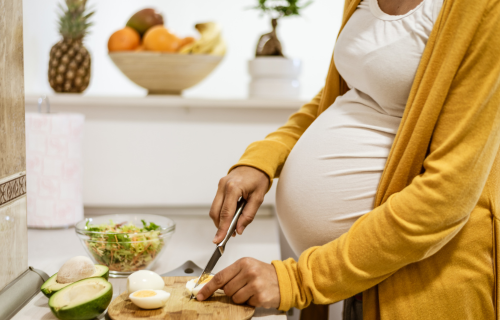
Congratulations to UCD School of Medicine’s Professor Fionnuala McAuliffe, the team at UCD Perinatal Research Centre, and all those involved in their recently published research in the European Journal of Clinical Nutrition (EJCN). The paper is titled ‘Relationship between the dietary inflammatory index and immune function during pregnancy – A secondary analysis of the MicrobeMom2 Study’ and could inform nutritional guidelines to reduce pregnancy related complications.
Abstract
Background/objectives
The maternal immune system requires careful regulation during pregnancy to prevent complications such as preeclampsia and prematurity. Inflammatory immune states may be linked to maternal diet throughout pregnancy. Although gestational changes in cytokines are well-documented, the association with the inflammatory potential of diet has not been robustly explored. This study investigates the associations between maternal dietary inflammatory potential, measured by energy adjusted dietary inflammatory index (E-DII) in late pregnancy (28-32 weeks’ gestation).
Subjects/methods
E-DII was calculated using 6-month food frequency questionnaires completed by pregnant mothers at 28–32 weeks’ gestation. Serum cytokine levels from maternal blood samples were measured using Cobas® and ProteinSimple ELLA immunoassay, while PBMC derived cytokine levels were assessed using BioLegend LEGENDplex™.
Results
The study included 68 pregnant women, with a mean age (SD) at recruitment of 33.01(4.6) years and median BMI (IQR) of 24.95 (21.87, 27.57) kg/m2. There was a positive association between E-DII and serum C3 complement protein in late pregnancy [β =0.057, p = 0.043]. A positive association between maternal E-DII and late pregnancy serum IL-17 levels was also observed [β = 0.156, p = 0.011]. A more pro-inflammatory diet in late pregnancy indicated by higher E-DII scores was associated with lower IL-10 secretion from PBMCs stimulated with anti-CD3/28/2 [β = −0.232, p = 0.049].
Conclusions
Diet may hold potential to promote optimal maternal inflammatory states. These data may inform nutritional guidelines to reduce pregnancy related complications, especially for mothers with higher background metabolic risk, such as those living with obesity.
Read the full paper online (opens in a new window)here.