An introduction to trans* identities
What does transgender mean?
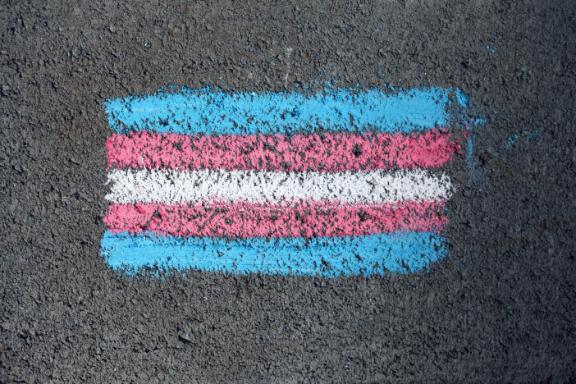
Transgender is an adjective that refers to any person whose gender identity and/or gender expression differs from the sex assigned to them at birth. Examples of use are: transgender students / trans* people / trans* community.
How many people are transgender?
Approximately 1-2% of the population are transgender.
I have heard of many different gender identities as well as transgender. What should I use?
Use the language for gender identity that people use for themselves. Transgender and its short form, trans*, are used as umbrella terms for individuals who do not identify with the sex they were assigned at birth.
The asterisk after trans* is used to signify the many and various gender non-conforming and non-gendered identities that exist. The asterisk encompasses a broad spectrum that includes non-binary (identifying as neither male nor female), genderqueer (gender does not correspond to traditional gender distinctions), agender (does not identify with any gender) and gender fluid (gender identity is fluid).
The term transgender also refers to individuals who have transitioned from one binary gender to another, e.g. male to female, with or without hormonal or surgical medical assistance.
Individuals will have preferences for which term they use, or they may choose not to define their gender at all.
What is gender expression?
Gender expression describes how any individual externally presents their gender through behaviour, clothing, appearance and so on. This may or may not align with stereotypical societal expectations.
What is cisgender?
Cisgender describes an individual whose gender aligns with their sex assigned at birth.
How do I know what gender someone is from looking at them?
You can’t know someone’s gender from looking at them.
A transgender individuals’ gender expression may or may not reflect societal expectations of their gender identity. A transgender individual may or may not have transitioned, either medically or legally. Medical and legal steps are not a prerequisite to any gender identity so do not make assumptions based on appearance.
What are misgendering and misnaming?
Misgendering and misnaming are two common ways transgender and gender-diverse people experience disrespect or harm, often unintentionally but still with real impact.
Misgendering is when someone is referred to using the wrong gender, usually through incorrect pronouns e.g. calling someone he when the person uses she, and titles like sir or madam, or other gendered language. It can happen by mistake, but it can also be done deliberately. Either way, misgendering can make a person feel unseen, invalidated, or unsafe.
Example:
A student named Alex, who uses they/them pronouns, is repeatedly called she in class.
Misnaming is when someone is called by a name they no longer use—often their deadname, a term for the name a trans* person used before transitioning. Misnaming also includes using the incorrect name even if it isn’t a deadname, such as using an old nickname or the wrong version of someone’s chosen name.
Example:
A lecturer continues to call a student Robert even after the student requested to be called Rey.
Both misgendering and misnaming can feel disrespectful, invalidate someone’s identity, and contribute to a non-inclusive environment. The best approach is simple: use the name and pronouns a person asks you to use, correct any mistakes calmly, and move on.
What are some common challenges that transgender individuals face?
- Societal expectations of gender and gender expression
- Gender and title sections on forms and documents
- Accessing gender-affirming supports
- Being misgendered or misnamed
- Legal name not matching chosen name
- Invalidation of identity
- Discrimination – overt harassment as well as microaggressions
- Access to appropriate spaces - bathrooms, changing rooms etc.
- Gendered activities and gendered language e.g. ladies, gentlemen etc.
What are some of the challenges being a transgender or gender diverse individual in higher education?
- Non-binary students report much higher instances of being misgendered
- Some trans* students may be undergoing medical treatment and/or social and/or administrative legal changes so may need leave of absence, extensions
- Students who hold multiple marginalised and/or minority identities report compounding of discrimination and challenges
- Trans* students report having their experience conflated and reported with sexual orientation, LGBTQ+ supports and spaces
- Many students will only be starting to explore their gender identity in university and this may change over time
- Students may be unable to make legal, medical or formal identity changes due to reliance on family financial support and living at home but express their gender identity on campus
What is some general guidance I can follow to be trans-inclusive?
- Use the language a transgender person uses when referring to them
- Be careful and considerate about what questions you ask
- (asking about medical treatments through hormones and surgeries are not appropriate)
- Be aware of unconscious gender-based assumptions and stereotypes in yourself
- Avoid assigning pronouns if you don’t know – if in doubt, use ‘they’ as a singular pronoun
- Add pronouns to your own email, Zoom etc., pronouns badges, to show your understanding and openness
- Someone’s transgender identity is their private information to share, or not – respect confidentiality and also thank someone if they share it with you
What can my department, unit or School do to be trans-inclusive?
- Normalise pronoun use by introducing your own, adding pronouns to email signatures and Zoom names
- Gently correct others when they misgender or misname someone (avoid shaming the person who made the error)
- Order and display trans-inclusion desk flags and posters
- Order and provide pronoun badges
- Encourage student societies, networks, or peer-mentoring that includes trans representation (but do not burden trans* students with being their own advocates for inclusion; that is staff / institutional responsibility)
Foster a culture where allyship is visible and active for all minority students.